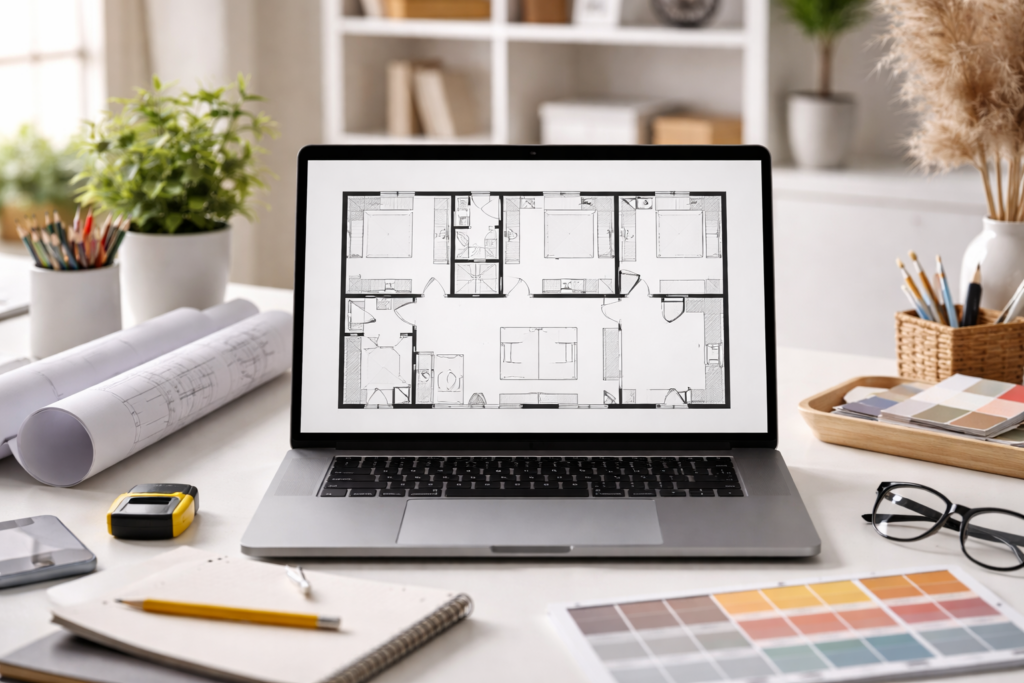
Designing a room sounds fun until you’re standing in the middle of supposed design wondering why nothing looks right. Too empty? Too cluttered? The colors feel off? The furniture doesn’t flow?
The main reason why most people are dissatisfied is usually not because of their taste in design. Time and time again, it has been proven to be the lack of a clear process. The truth is, interior designers don’t just wing it. They follow a system. And once you understand that system, designing a room becomes less overwhelming and way more enjoyable.
In this beginner-friendly guide, we will show you how to design a room step-by-step, using practical interior design principles that actually work. No design degree required. Let’s get into it.
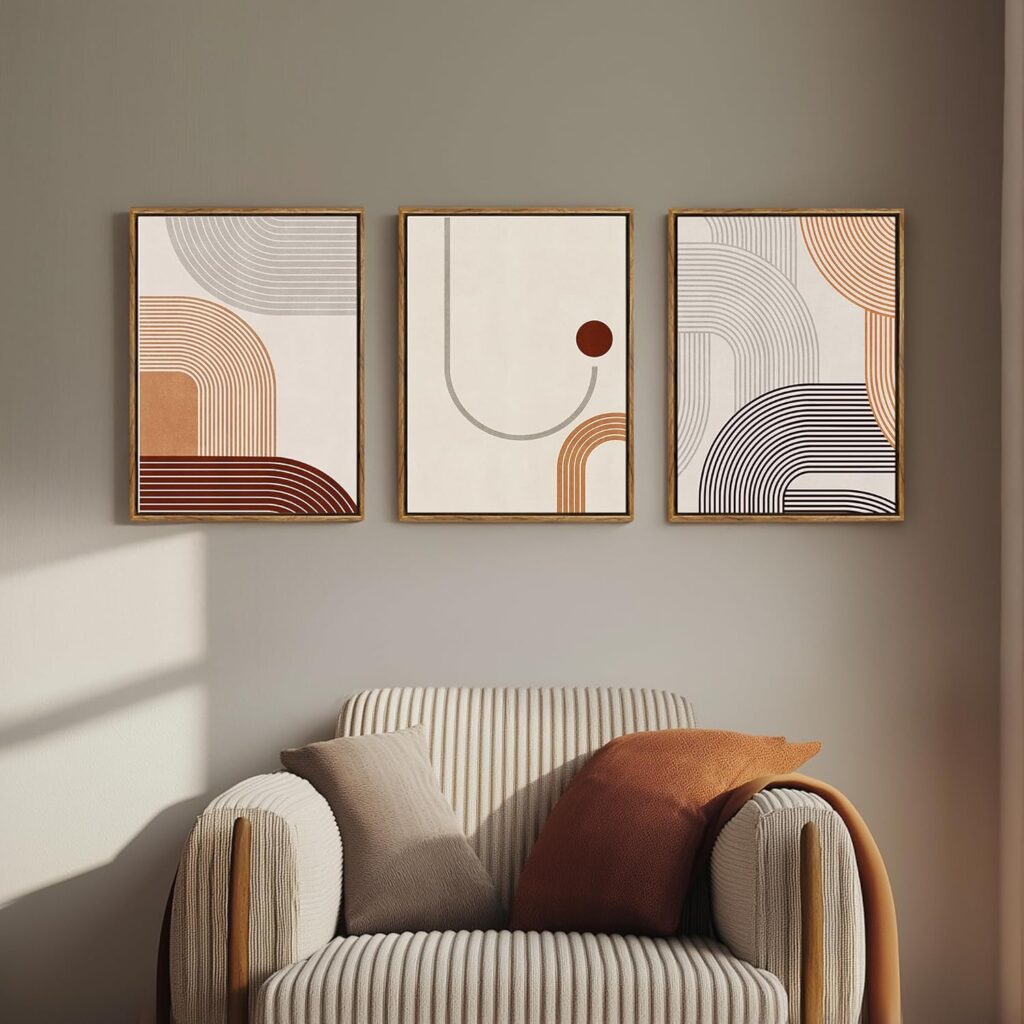
Buy Me Now!
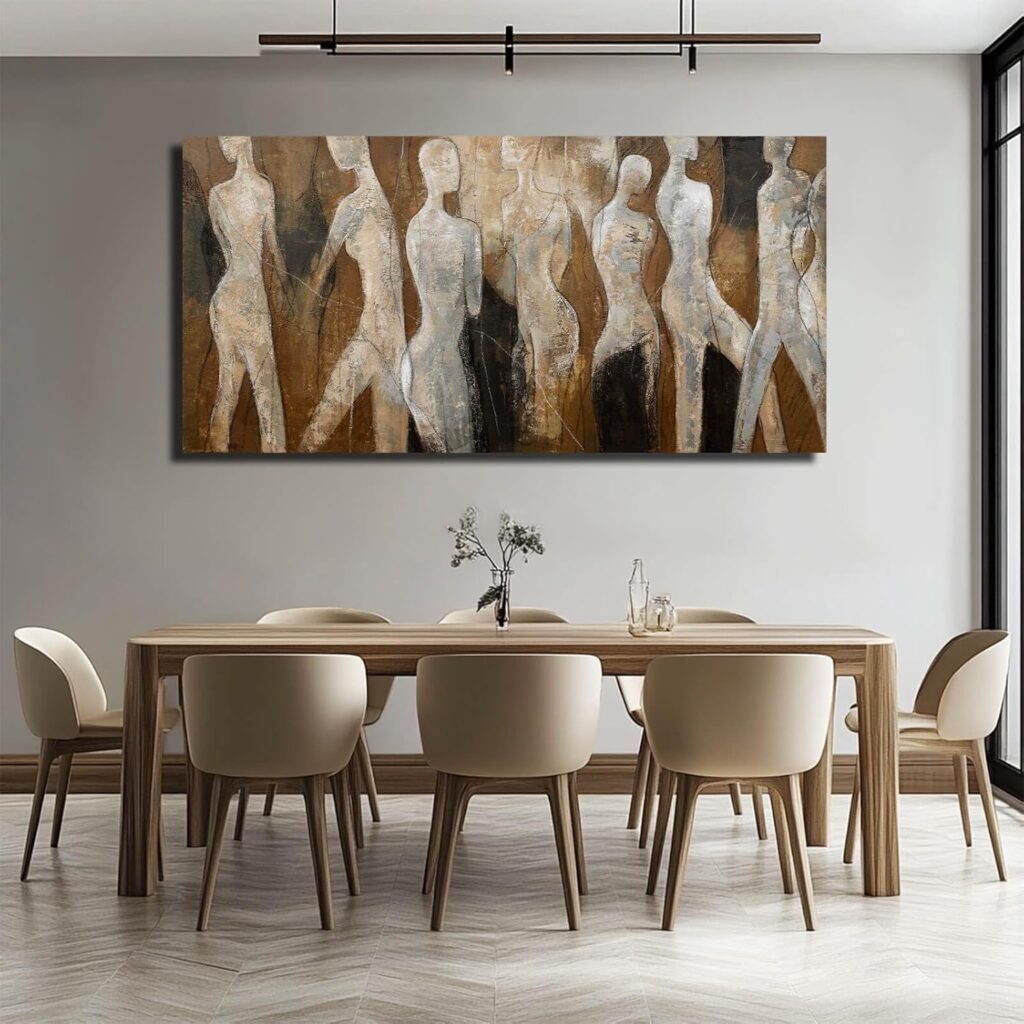
Buy Me Instead!
Step 1: Understand the Purpose of the Room
Before you think about paint colors or furniture styles, ask yourself one important question:
What is this room really for?
A room designed for relaxing will look very different from one meant for working or entertaining. Clarifying the purpose helps you avoid expensive mistakes later.
Ask yourself:
- Who will use this room?
- How often will it be used?
- What activities happen here most?
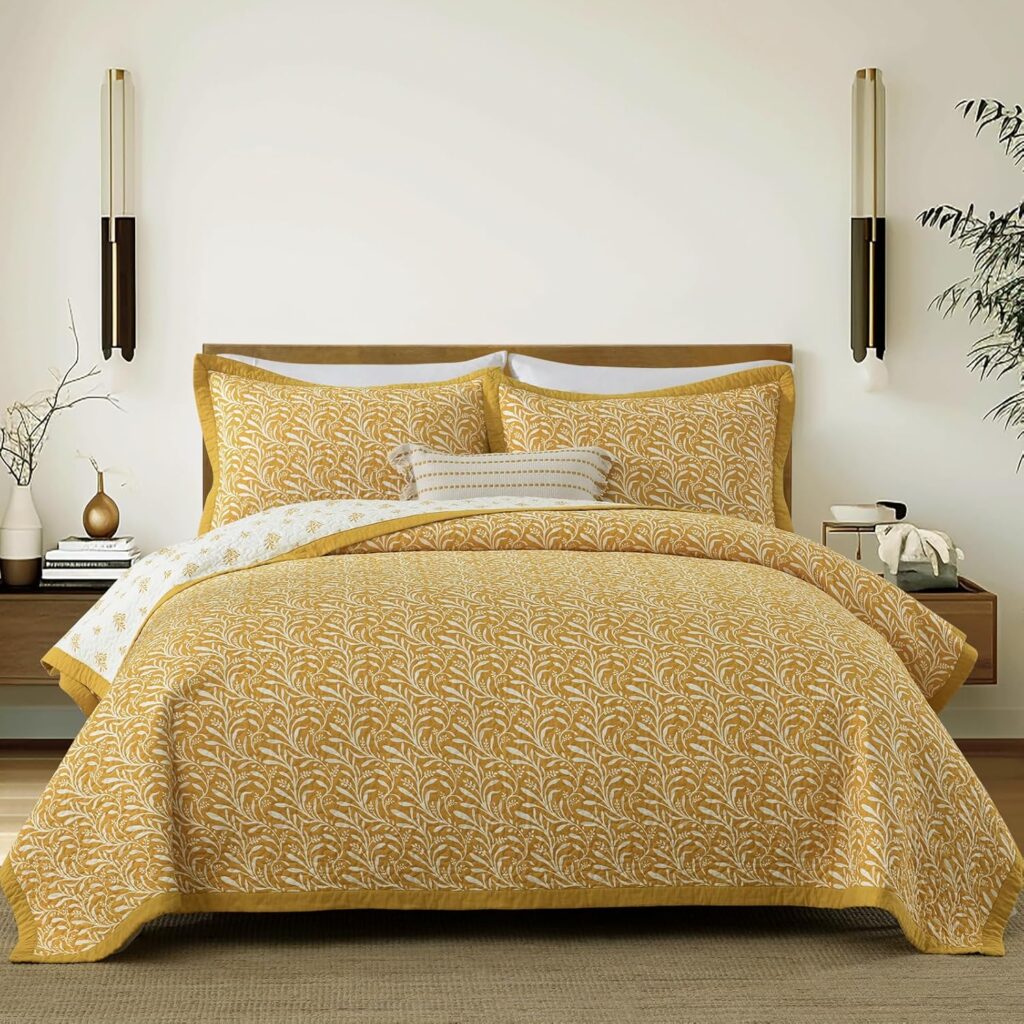
For example, a living room might need comfortable seating and conversation areas, while a bedroom should prioritize calm, rest, and storage. When you design with purpose first, everything else becomes easier.
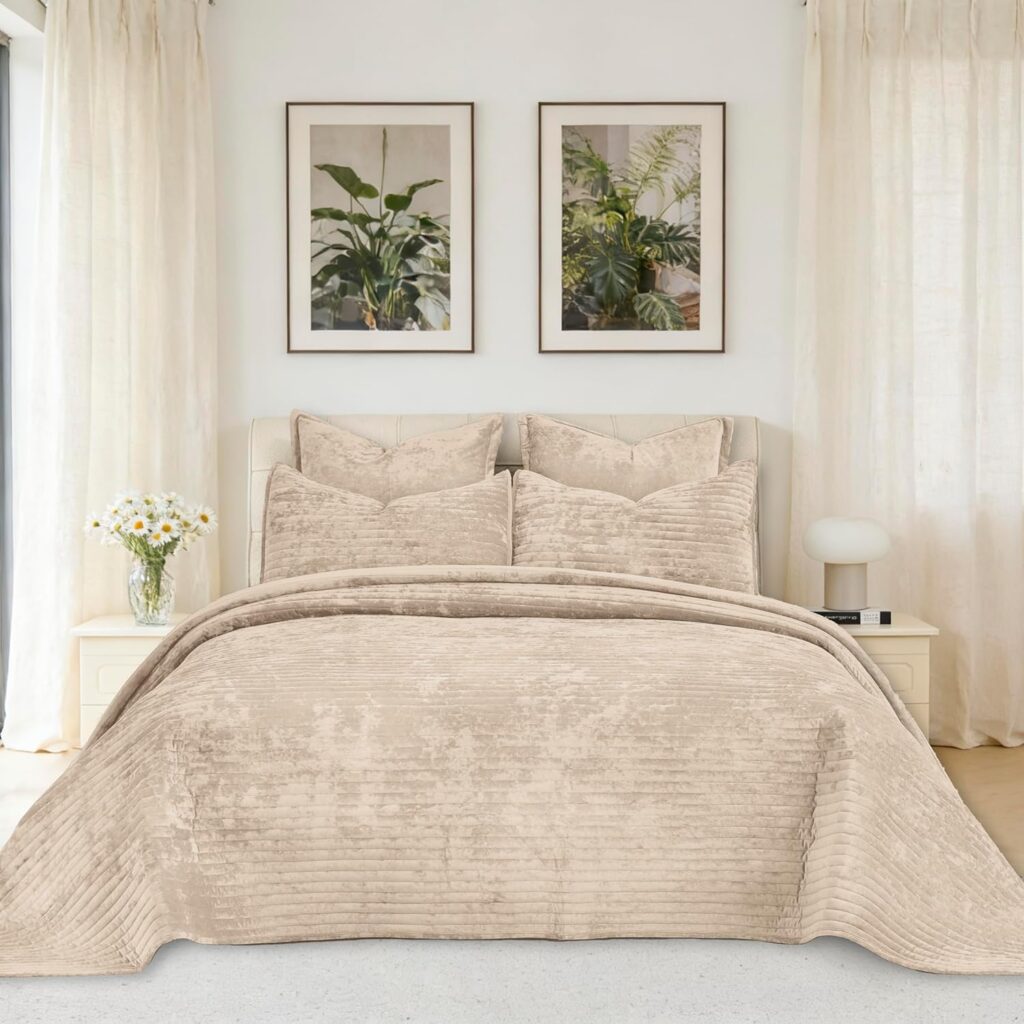
Buy Me!
Buy Me Instead!
Step 2: Measure the Space and Assess the Layout
This step gets skipped way too often and it is where many beginners go wrong.
Measure:
- The length and width of the room
- Ceiling height
- Door and window placements
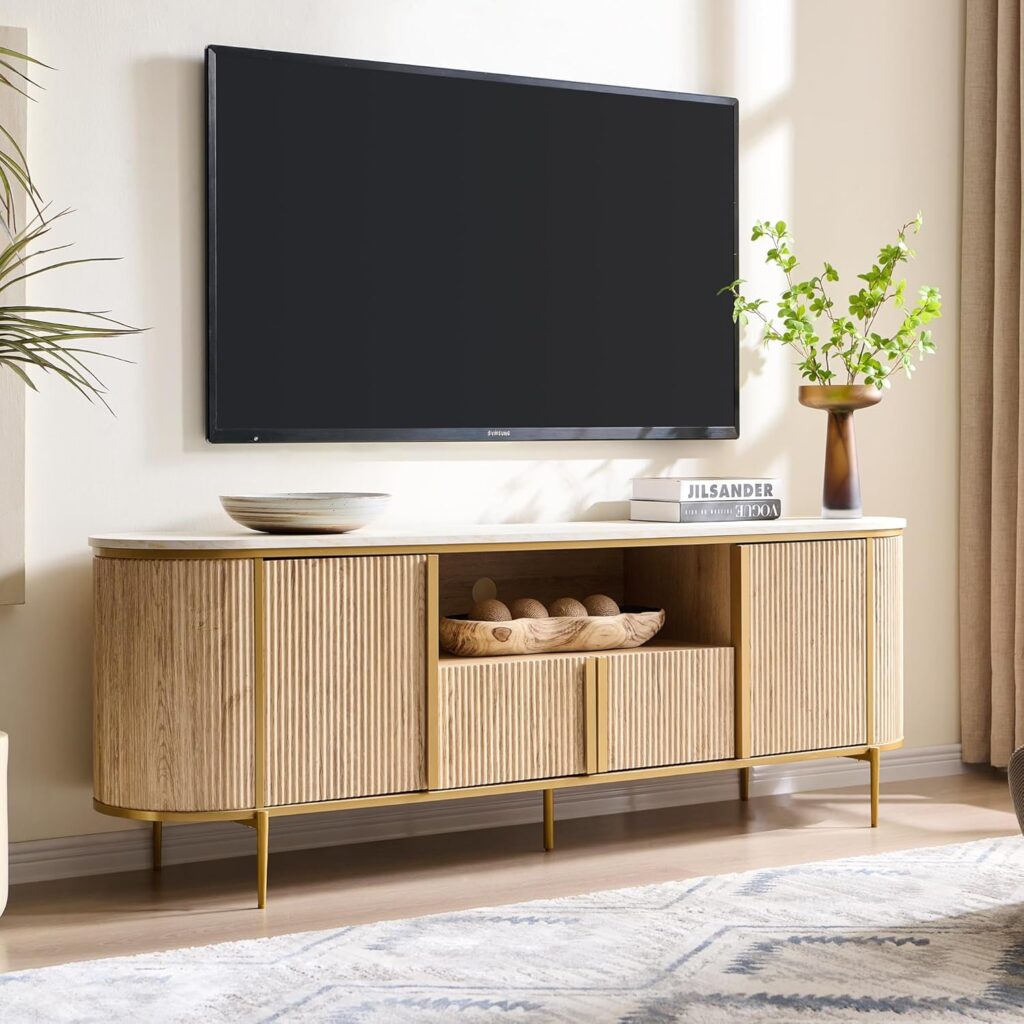
Take note of architectural features like fireplaces, columns, or awkward corners. These elements influence furniture placement and traffic flow.
Also, think about how people move through the room. Good design allows easy movement without bumping into furniture. If a room feels cramped, it is usually a layout issue, not a décor issue.
Buy Me!
Buy Me Instead!
Step 3: Choose a Design Style That Fits You
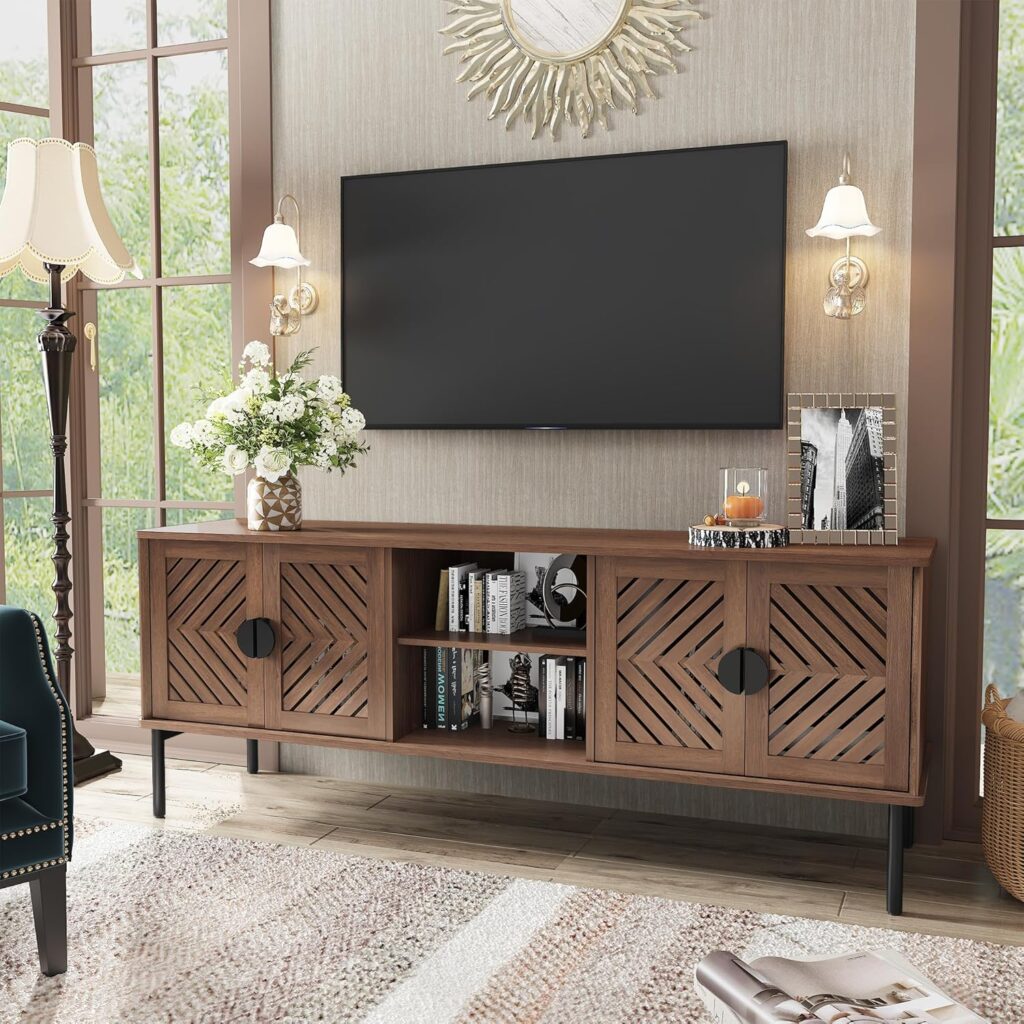
You don’t need to commit to one strict interior design style, but you do need direction.
Start by noticing patterns in what you love:
- Clean lines or cozy layers?
- Neutral tones or bold colors?
- Modern, traditional, minimalist, or eclectic?
Create a simple mood board using saved images. This helps you visualize how colors, textures, and furniture work together and prevents impulse buys that don’t match the overall vibe.
Pro tip: Trends come and go. Focus on what you genuinely enjoy living with long-term.
Buy Me!
Buy Me Instead!
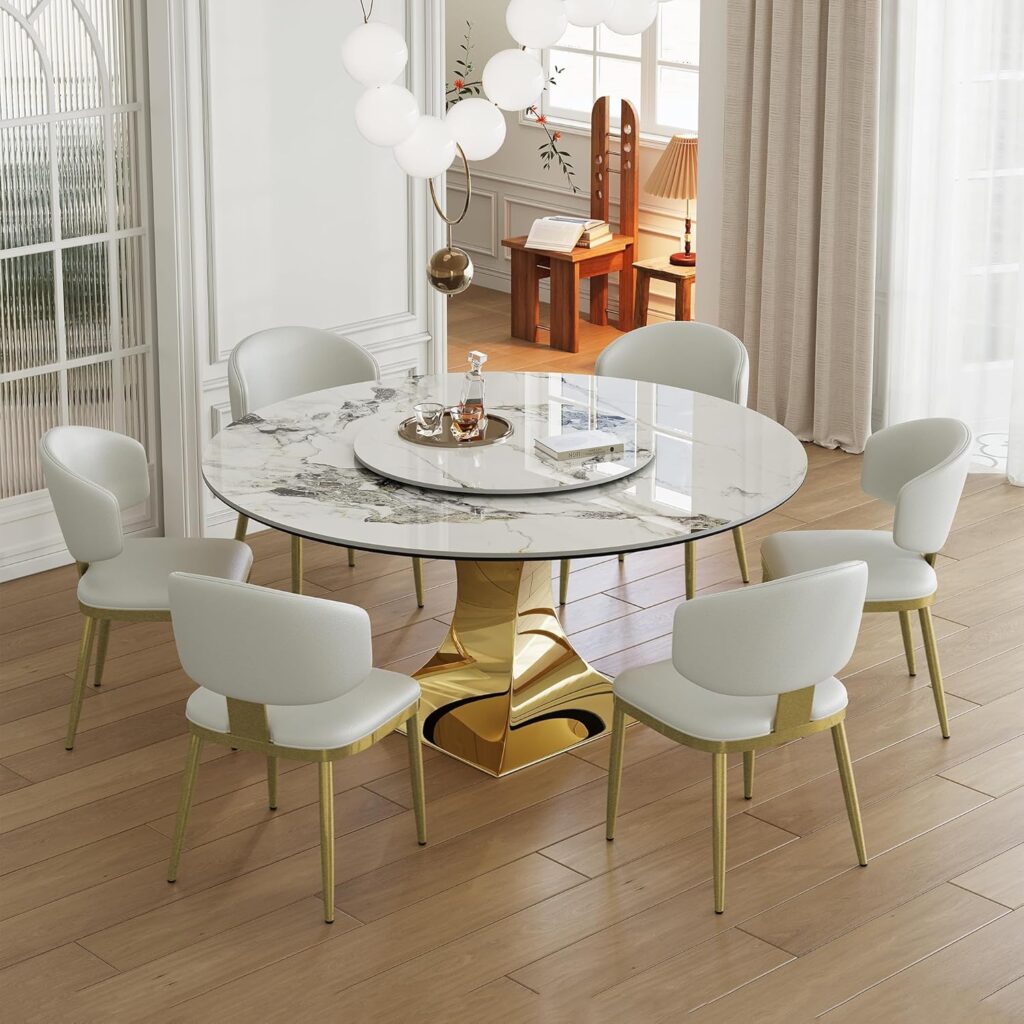
Step 4: Select a Design Color Palette
Color sets the emotional tone of a room. It can make a space feel calm, energetic, cozy, or expansive.
A beginner-friendly approach:
- One main color (walls or large furniture)
- One secondary color (supporting elements)
- One accent color (decor, pillows, art)
Pay attention to lighting. Natural and artificial light can drastically change how a color looks. Always test samples before committing.
Neutrals are a great foundation, especially for beginners, and accents can always be changed later.
Buy Me Now!
Buy Me Instead!
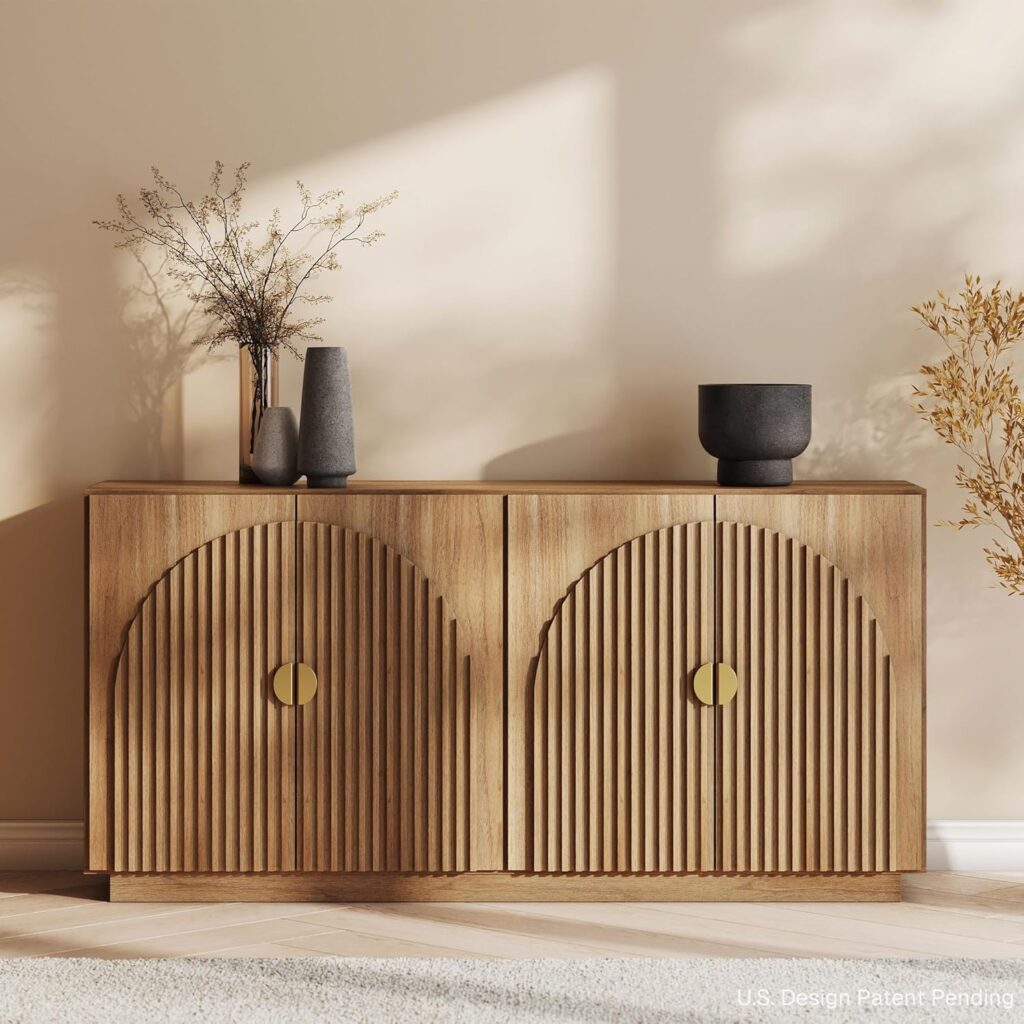
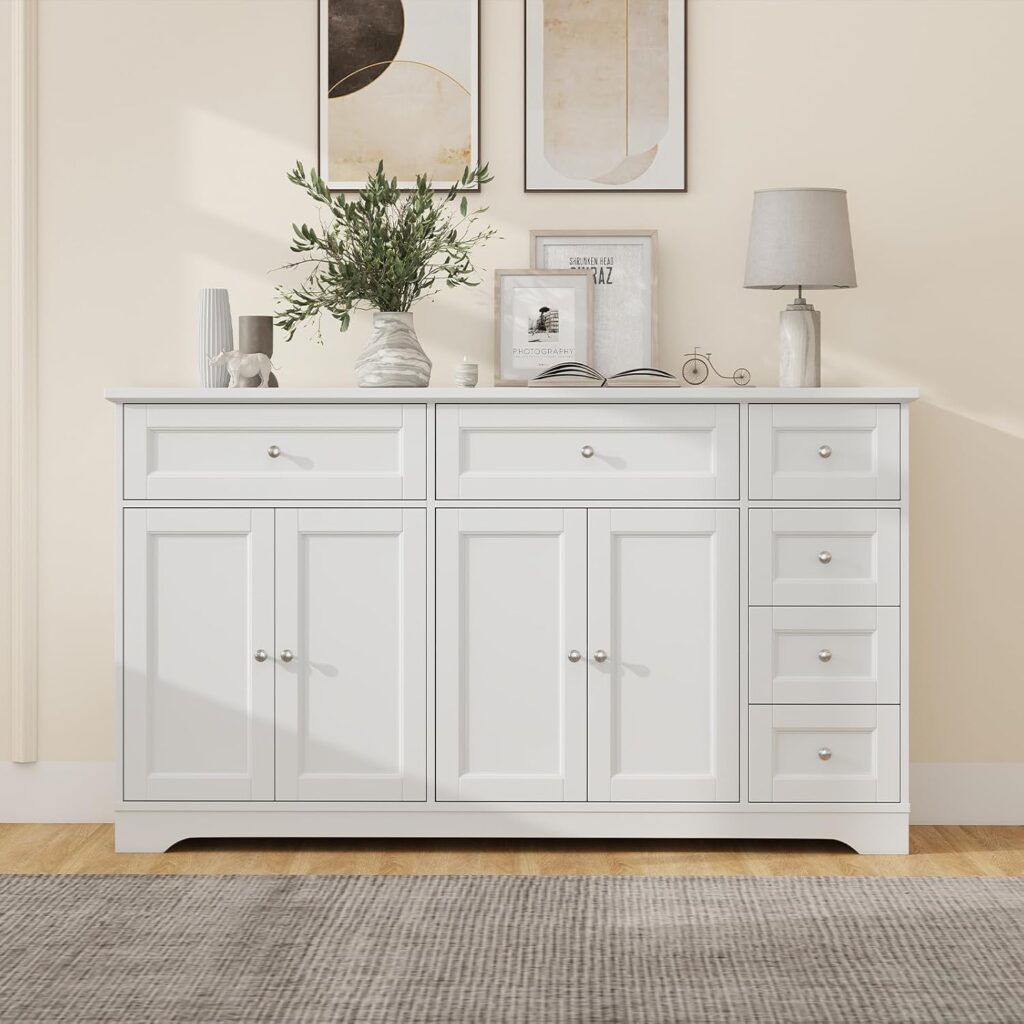
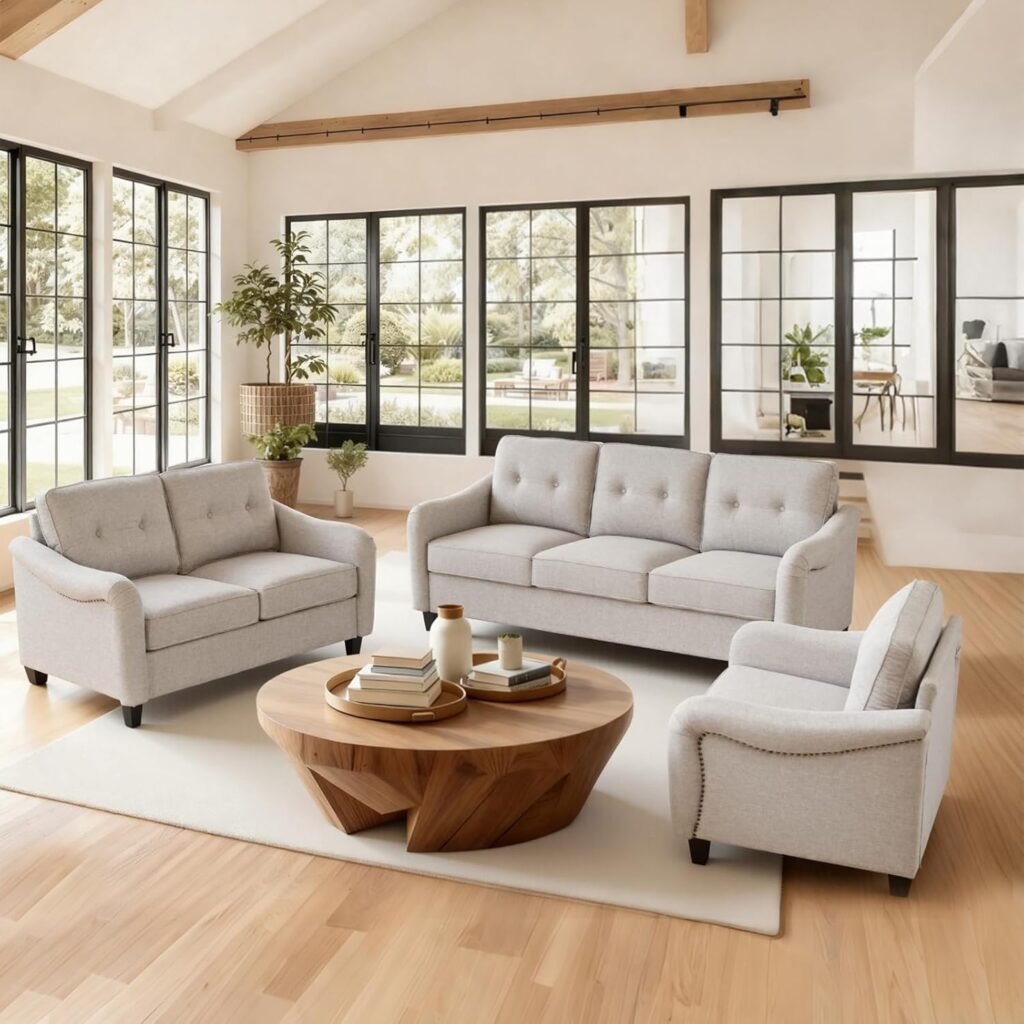
Step 5: Plan Furniture Design Placement First
Before buying anything new, plan where furniture will go.
Start with the largest piece:
- A sofa in the living room
- A bed in the bedroom
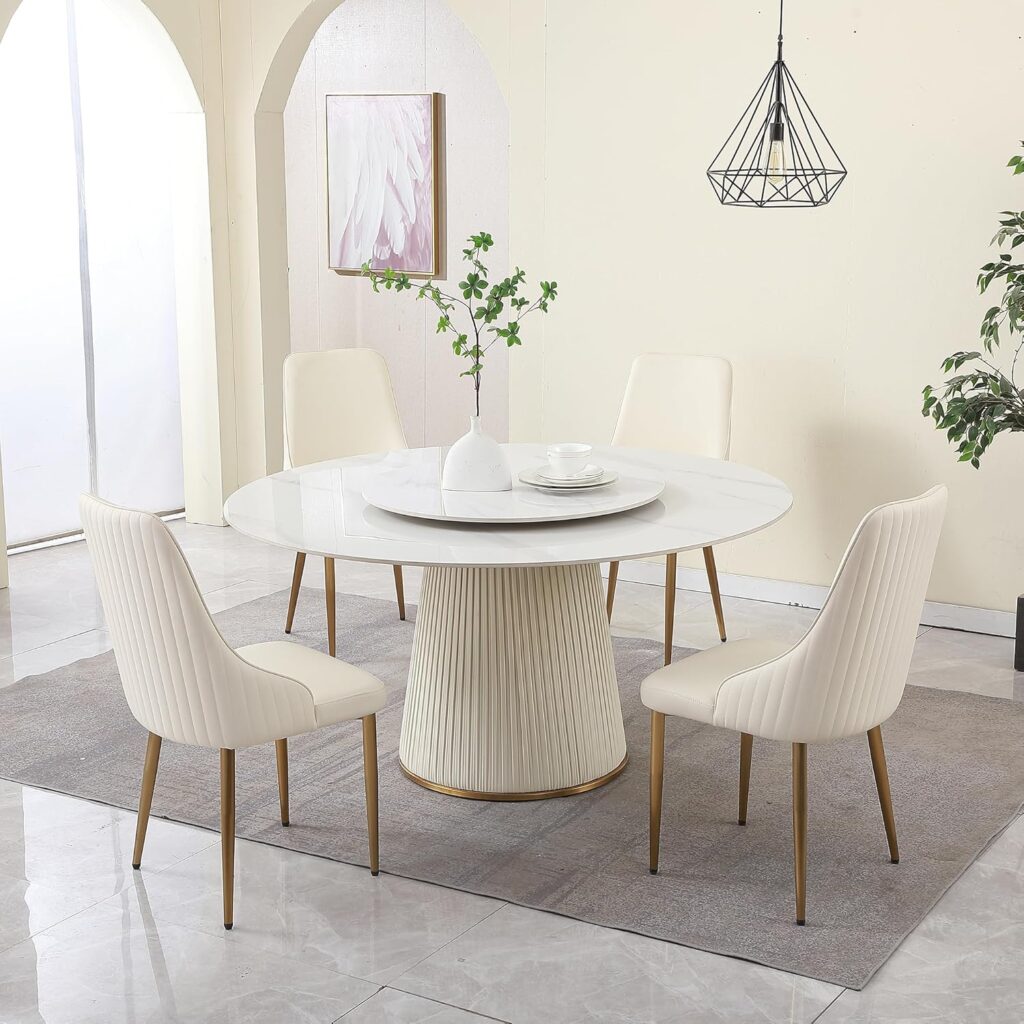
- A table in the dining room
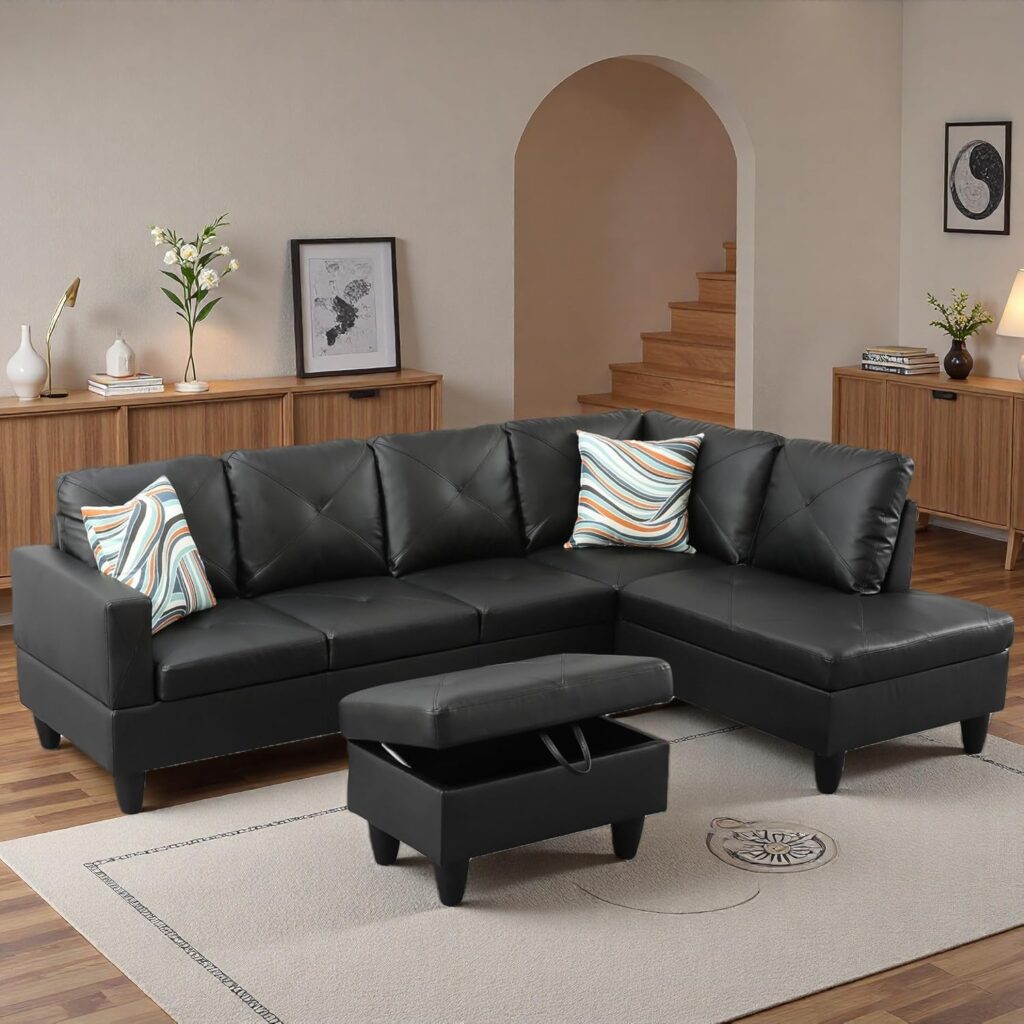
Anchor furniture around a focal point, such as a TV, fireplace, or window. Balance the room by distributing visual weight evenly. Don’t crowd everything on one side.
And no, furniture does not need to be pushed against the wall. Floating furniture often creates better flow and a more intentional design.
Buy Me Now!
Buy Me Instead!
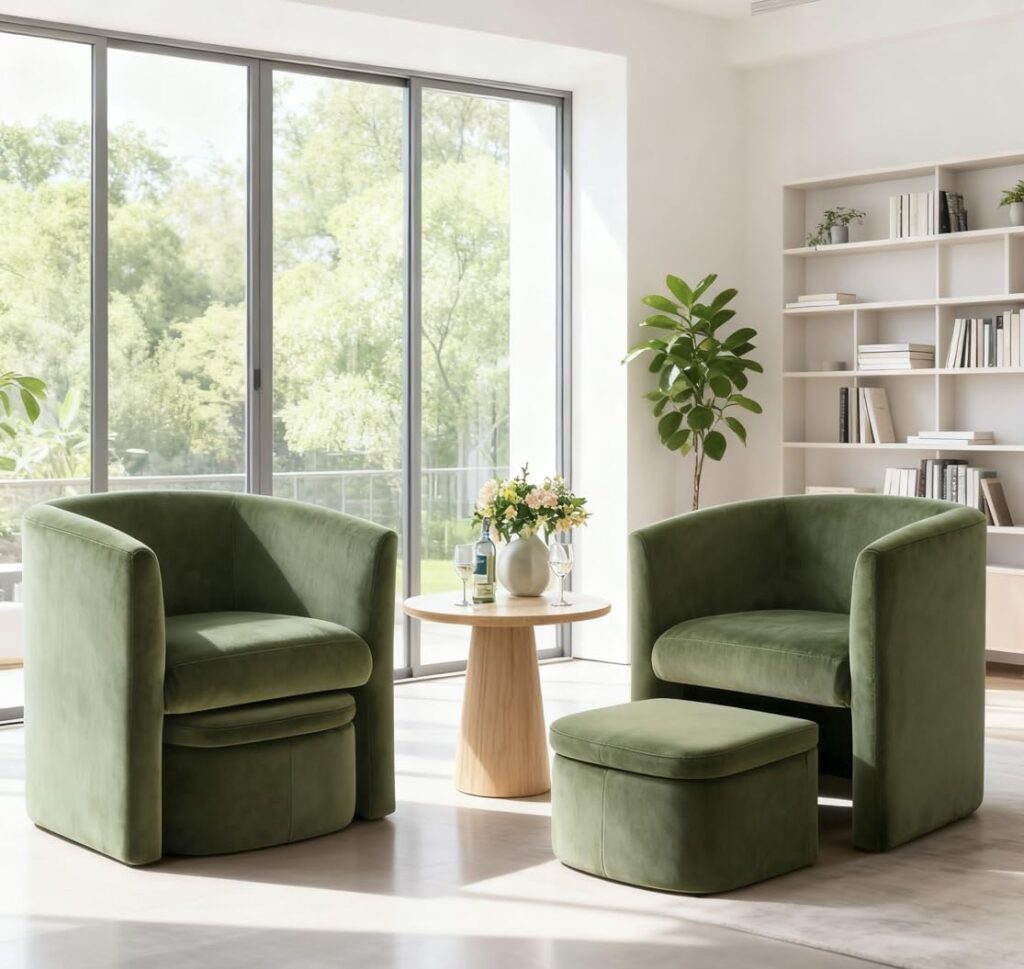
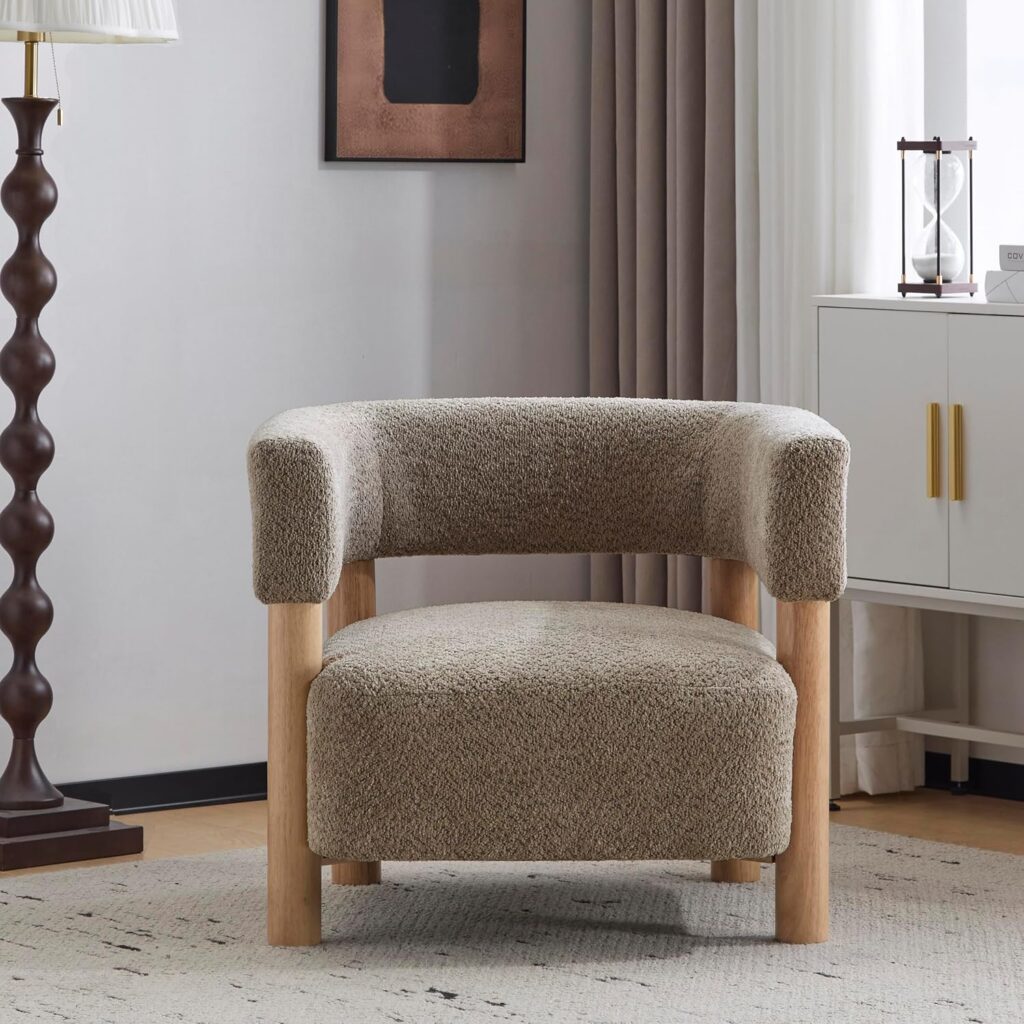
Step 6: Choose the Right Furniture Pieces
Good furniture design balances function, scale, and style.
When choosing furniture:
- Prioritize comfort and usability
- Make sure pieces are proportionate to the room
- Mix materials (wood, metal, fabric) for interest
Invest in key pieces like sofas or beds, and save on accents like side tables or chairs. Avoid buying everything at once. Design improves when you layer over time.
Buy Me Now!
Buy Me Instead!
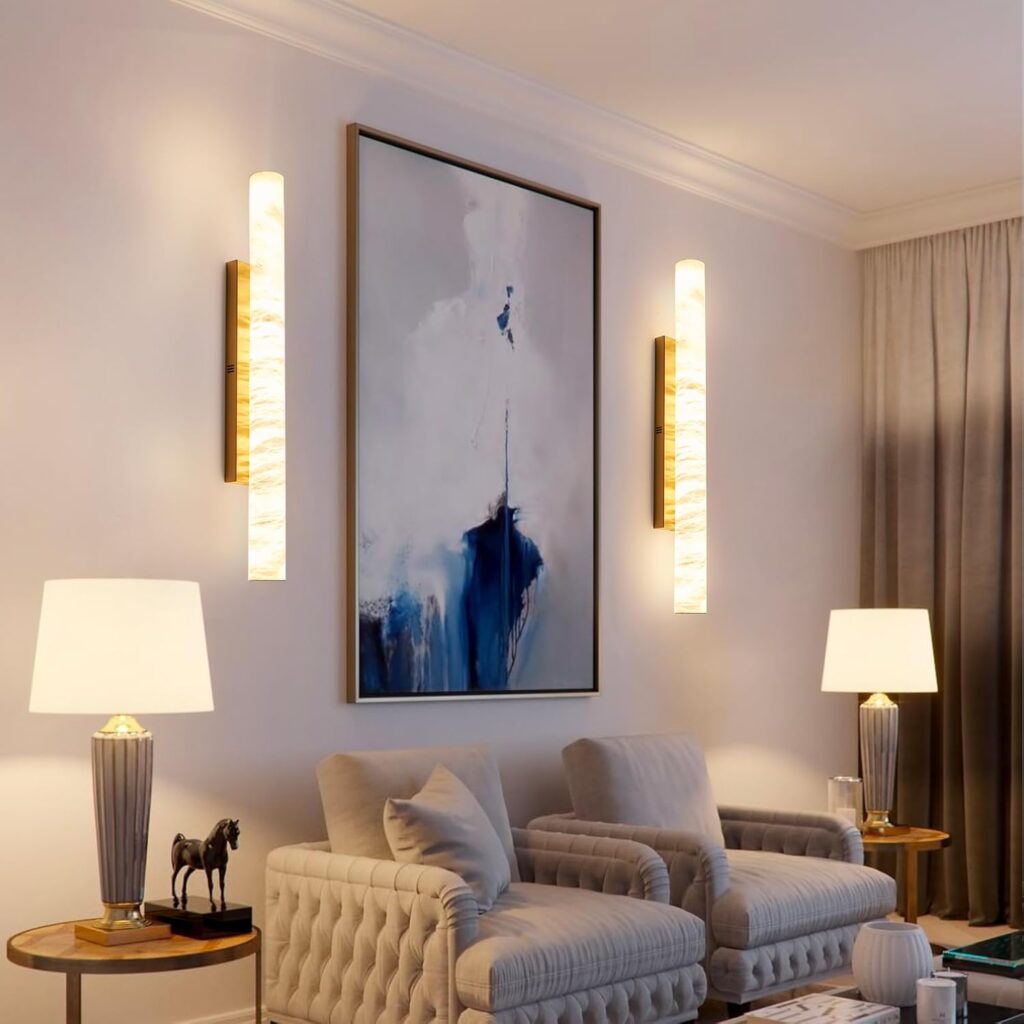
Step 7: Layer Lighting Like a Designer
Lighting can completely transform a room.
A well-designed space uses three types of lighting:
- Ambient lighting for overall brightness
- Task lighting for reading or working
- Accent lighting to highlight features or décor
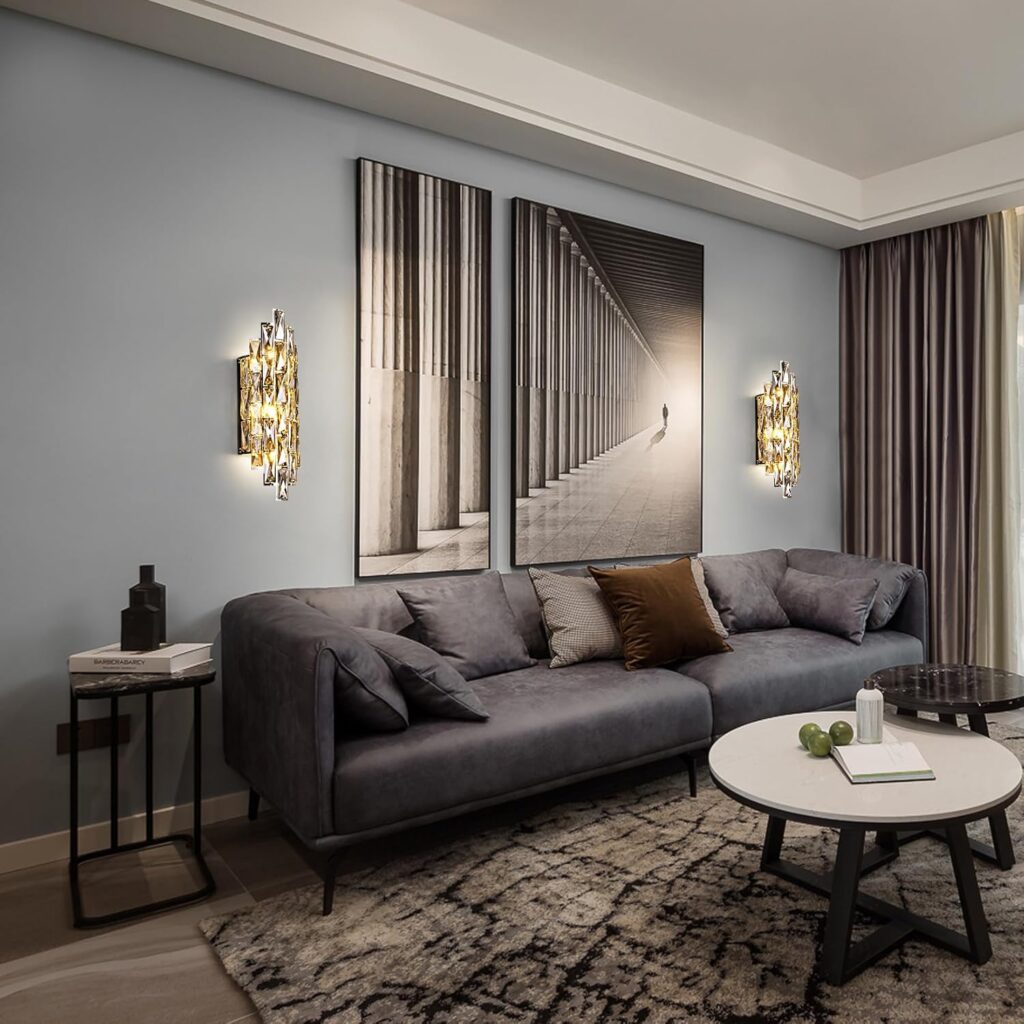
Relying on one overhead light makes a room feel flat. Use lamps, sconces, or LED accents to add warmth and depth. Also, choose bulbs with the right color temperature. Soft white is usually best for living spaces.
Buy Me!
Buy Me Now!
Step 8: Add Textures, Décor, and Accessories
This is where personality comes in.
Use:
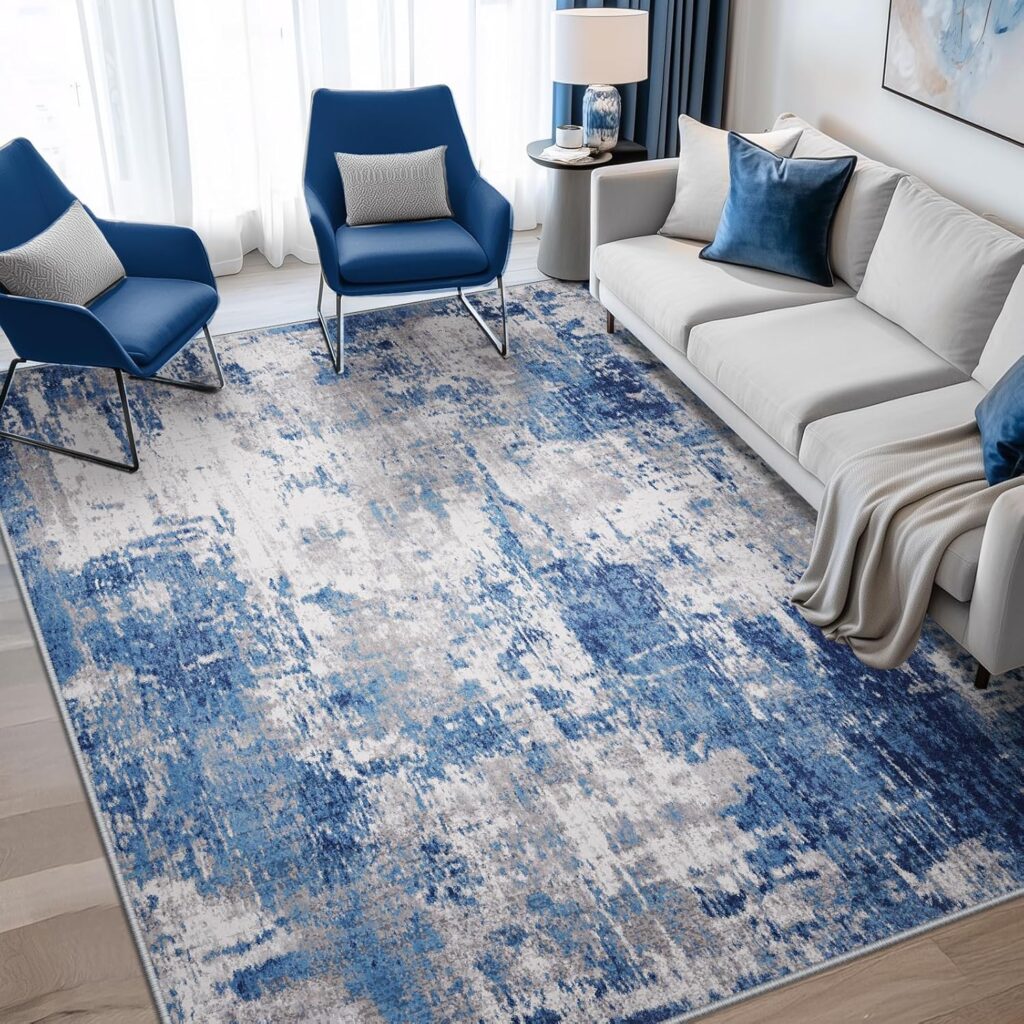
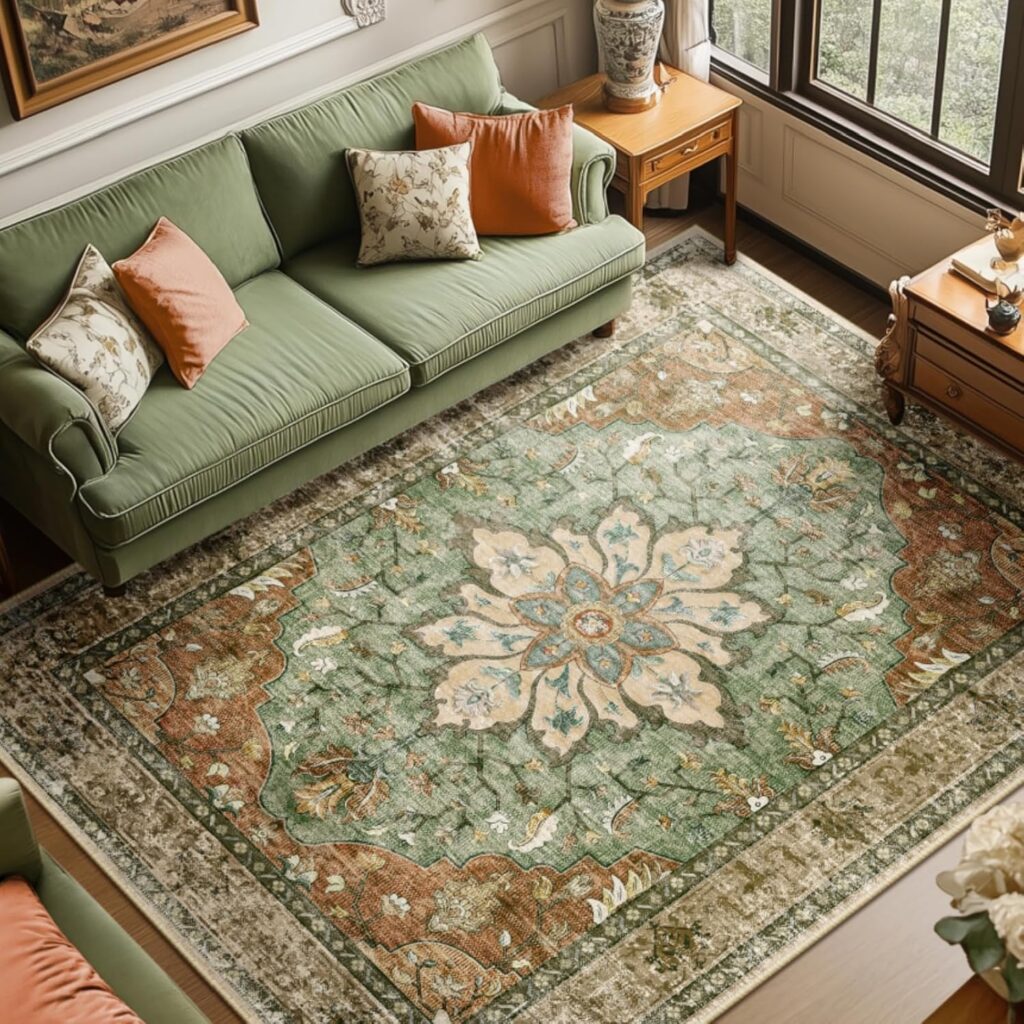
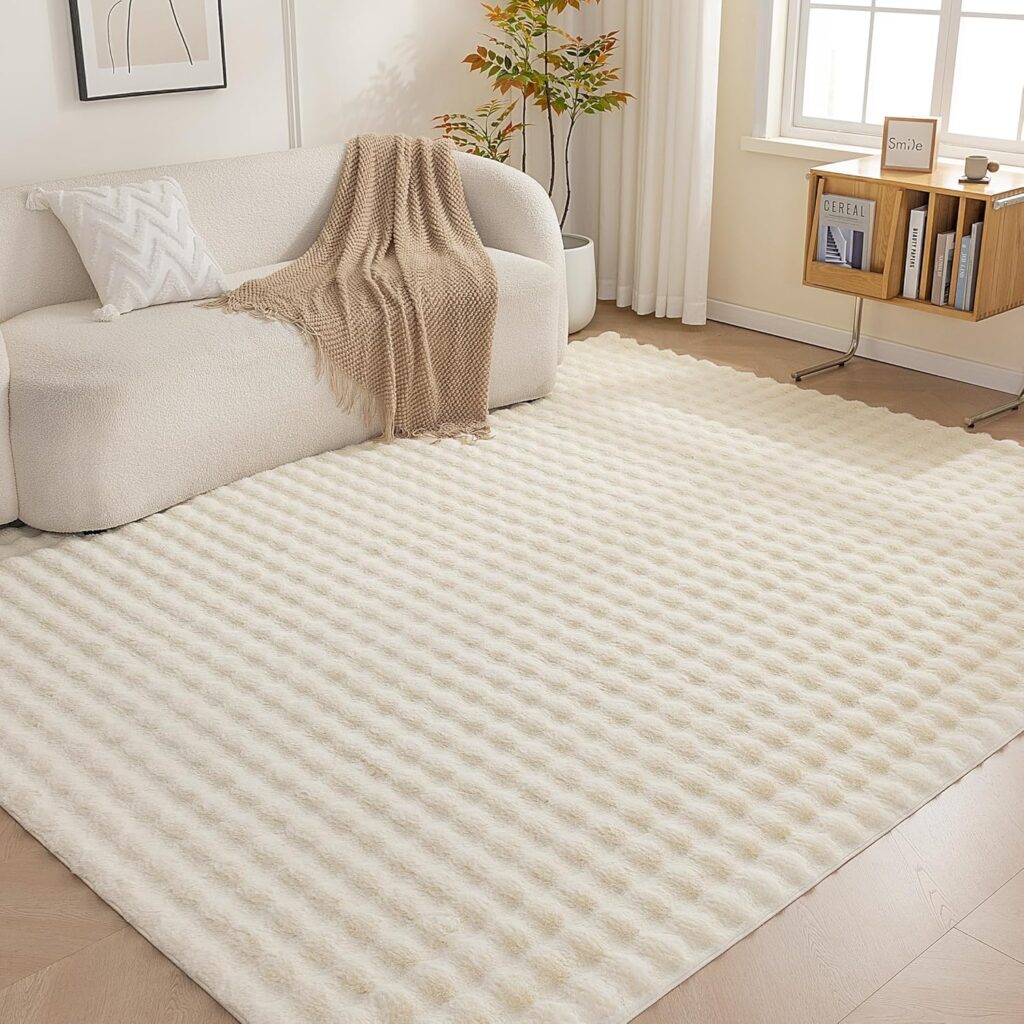
- Rugs, pillows, and curtains for texture
- Artwork and décor to reflect your style
- Plants or natural elements to bring life into the room
A good rule: less, but intentional. Overdecorating creates clutter. Let your space breathe.
Style surfaces with odd numbers, vary heights, and leave negative space. Sometimes removing one item makes the whole room feel better.
Buy Me!
Buy Me Now!
Step 9: Final Styling and Room Editing
Once everything is in place, step back.
Ask yourself:
- Does the room feel balanced?
- Is it easy to move around?
- Does anything feel unnecessary?
Designing a room isn’t about perfection. However, it is about refinement. Take in the space, notice what works (and what doesn’t), and make small adjustments as needed.
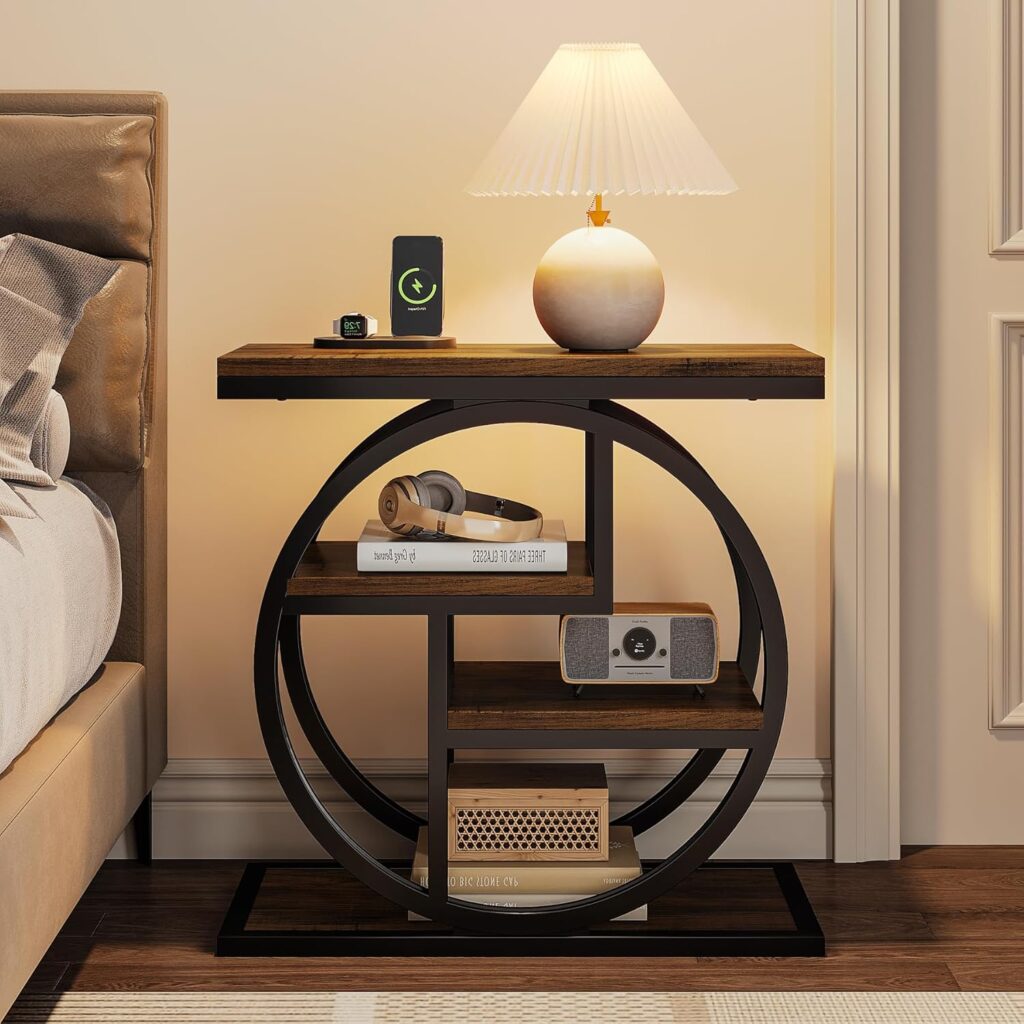
Buy Me!

Buy Me too!
Step 10: Final Thoughts On How To Design A Room
Here is to saving the best for last!
Designing a room doesn’t have to be overwhelming. When you follow a clear, step-by-step process, start with purpose. Then, plan the layout and choose cohesive colors. When it comes to layering, you can build on furniture design, lighting, and home décor. Don’t lose sight of the goal which is to create a space that feels intentional and functional.
Remember: great interior design is built, not rushed. Start with one room. Trust the process. And most importantly, design a space that feels like home.
Sometimes the next step can look like you realizing you need a interior designer, check out our blog post, A Guide to Interior Designers: Everything You Need to Know.

Buy Me!
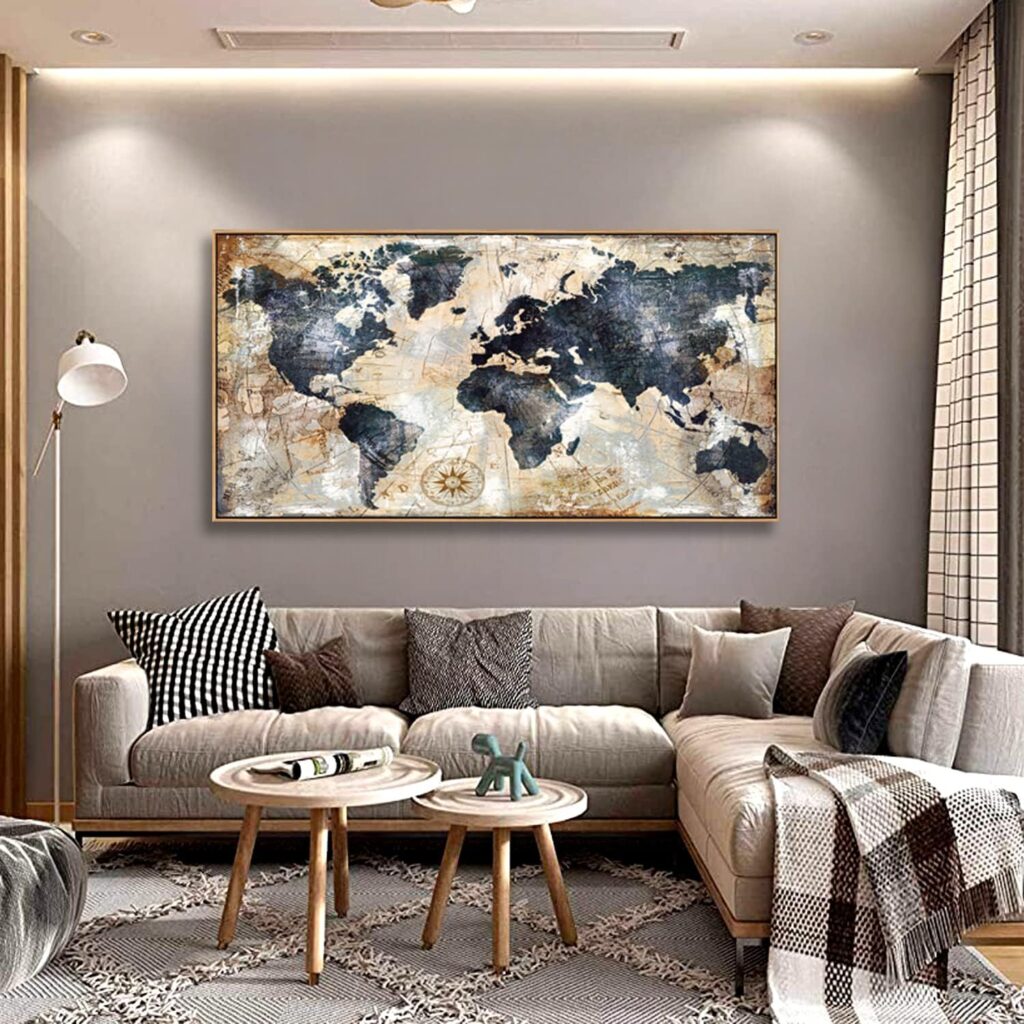
Buy Me Instead!
