“More is more” is officially back but only when it is done right. Have you ever wondered how to mix patterns and textures like a designer? That’s why you are here. So let’s talk about it.
Have you ever walked into a beautifully designed room and thought, “Why does this feel so rich and effortless?” Chances are the secret lies in how patterns and textures were layered. Most home-owners are actively searching for ways to create depth and personality in their spaces. And just like that, one-note interiors just aren’t cutting it anymore.
The truth is, most people love patterns and textures individually. A patterned rug here. A velvet sofa there. But when it comes time to mix them together, fear creeps in. What if it clashes? What if it feels too busy? Designers don’t guess. They follow a few simple principles, and once you understand them, mixing patterns and textures becomes less intimidating and way more fun. Let’s break this down.
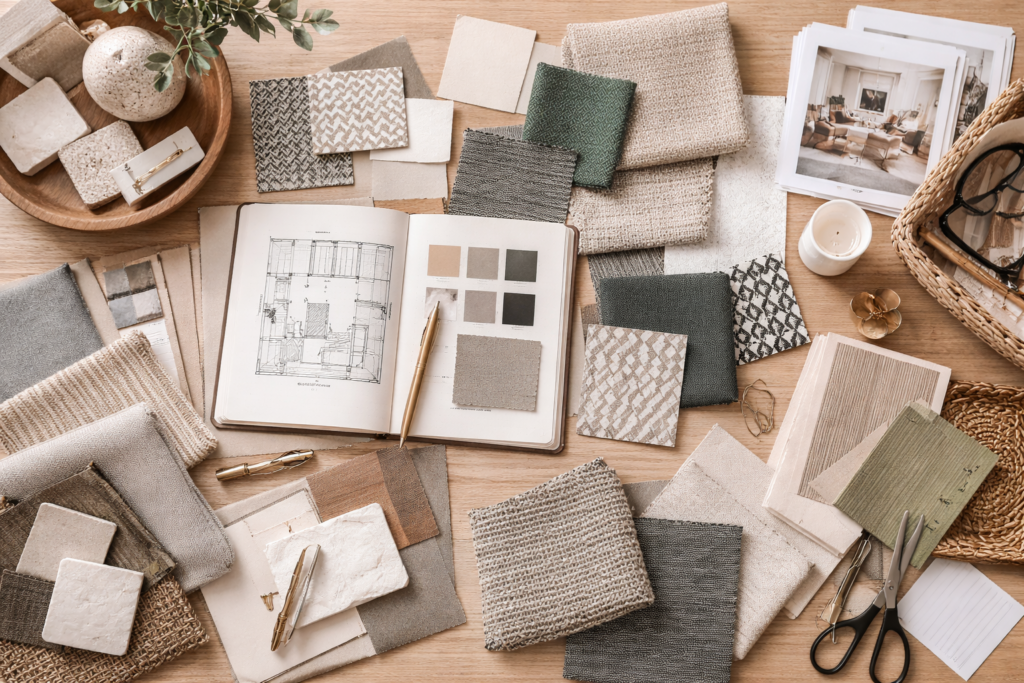
How to Mix Patterns and Textures: Why This Matters in Interior Design
A well-designed space isn’t just about furniture placement or color. It is about layering.
Patterns bring out personality and movement. Textures add warmth and dimension. Together, they create visual interest and make a room feel finished, intentional, and lived-in.
Without them, even the most expensive space can feel flat. Designers rely on pattern and texture to:
- Add depth and contrast
- Create focal points
- Balance minimal layouts
- Make neutral spaces feel rich and inviting
If your home feels “nice but missing something,” this is usually it.
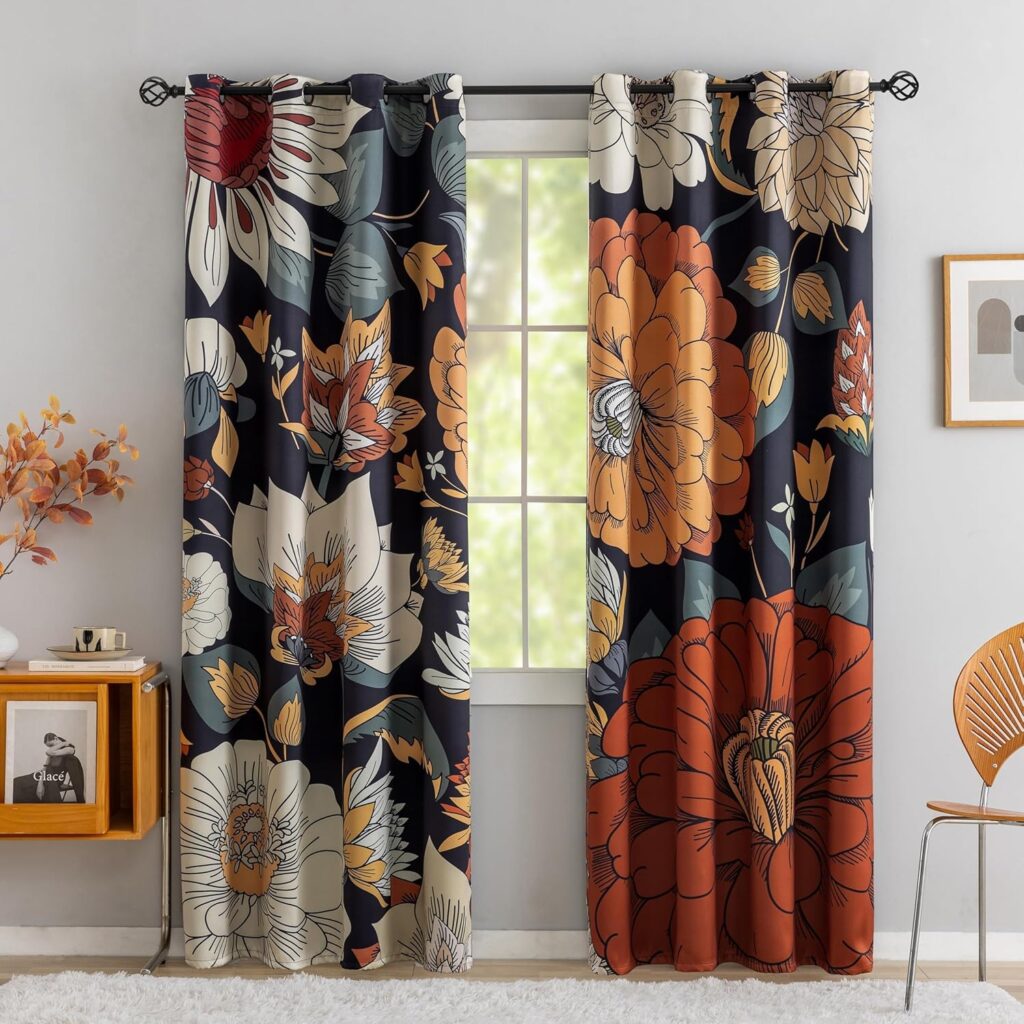
Buy Me!
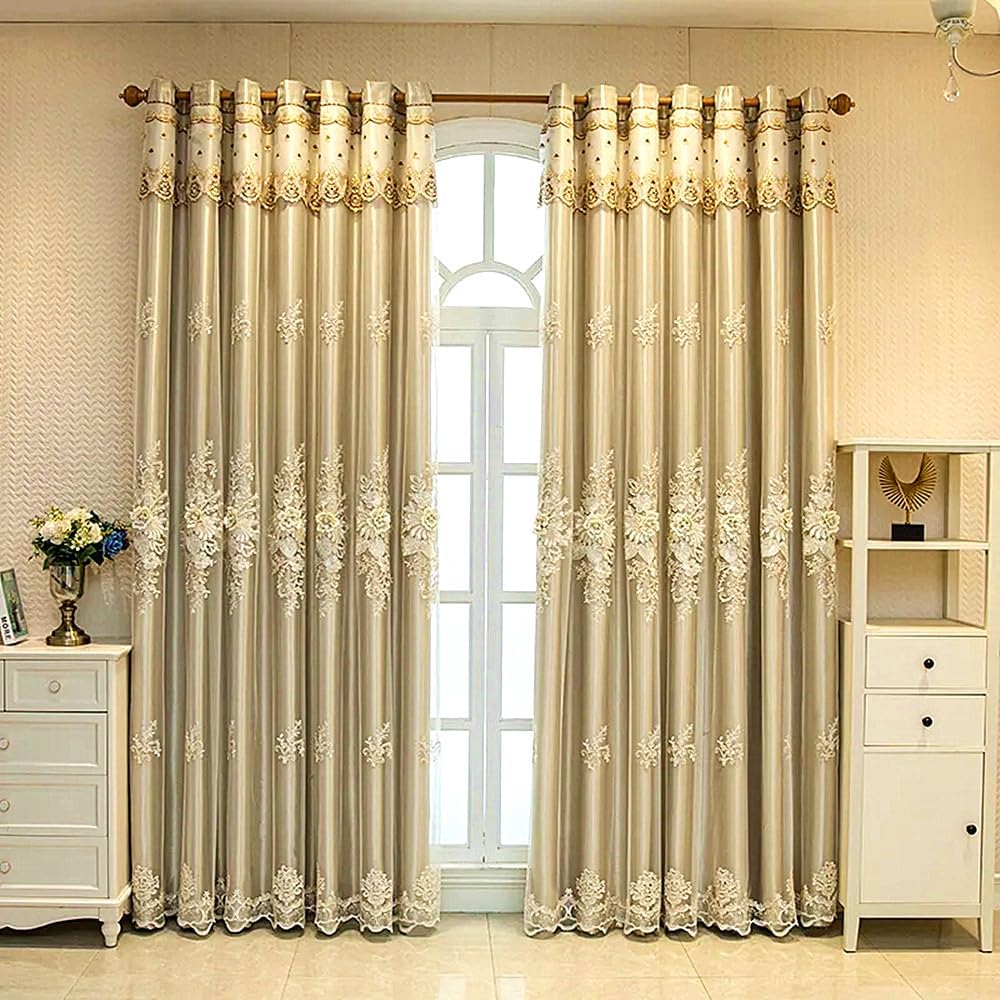
Buy Me Instead!
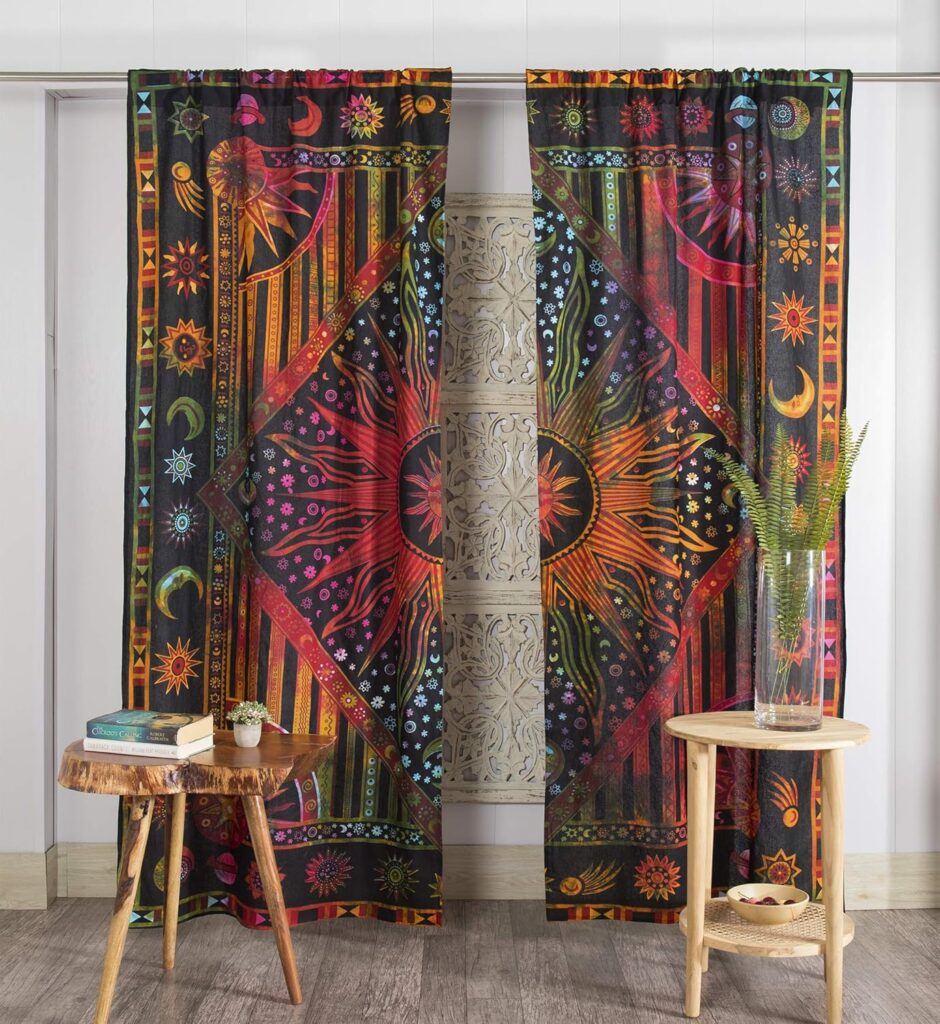
Buy Me Now!
How to Mix Patterns and Textures: Understanding the Difference
Before you start to mix patterns and textures, it helps to know what you are actually working with.
Patterns are visual designs: prints, motifs, stripes, geometrics, florals, or repeating shapes.
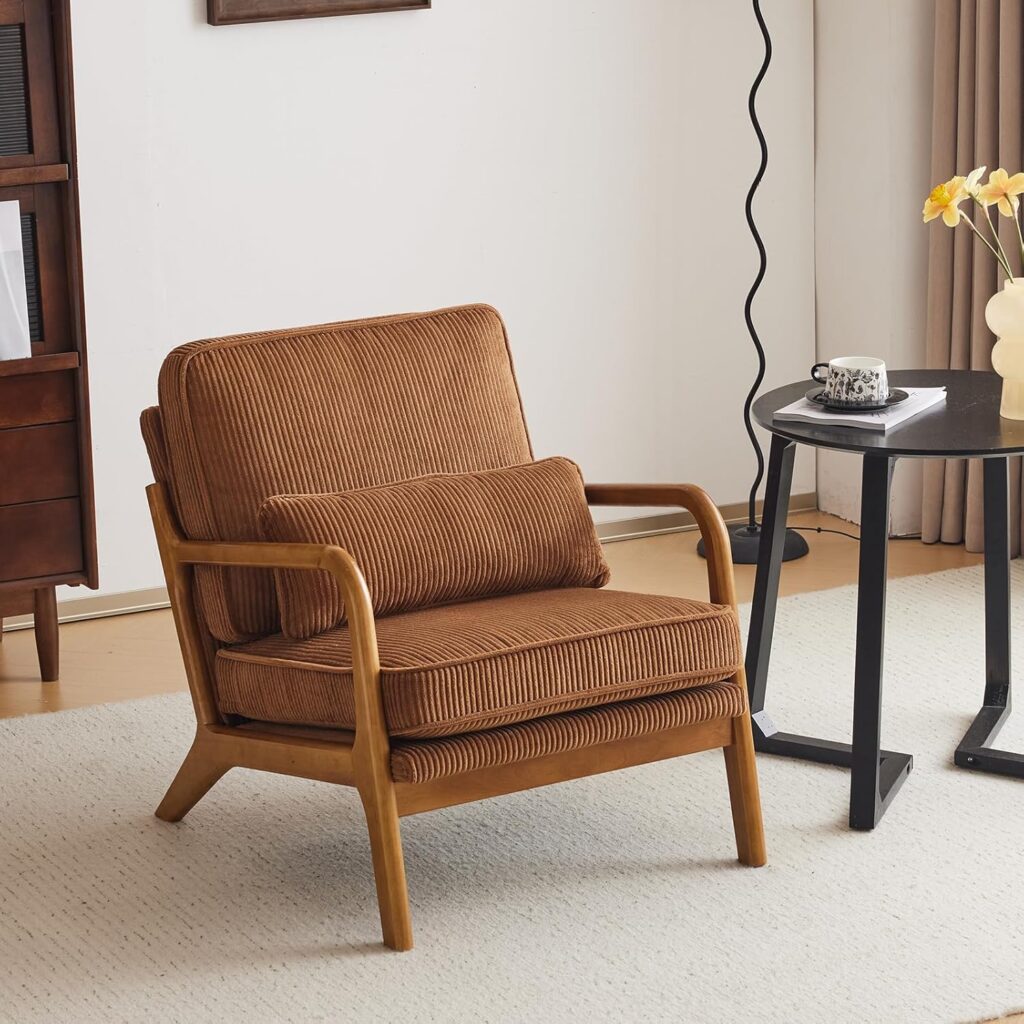
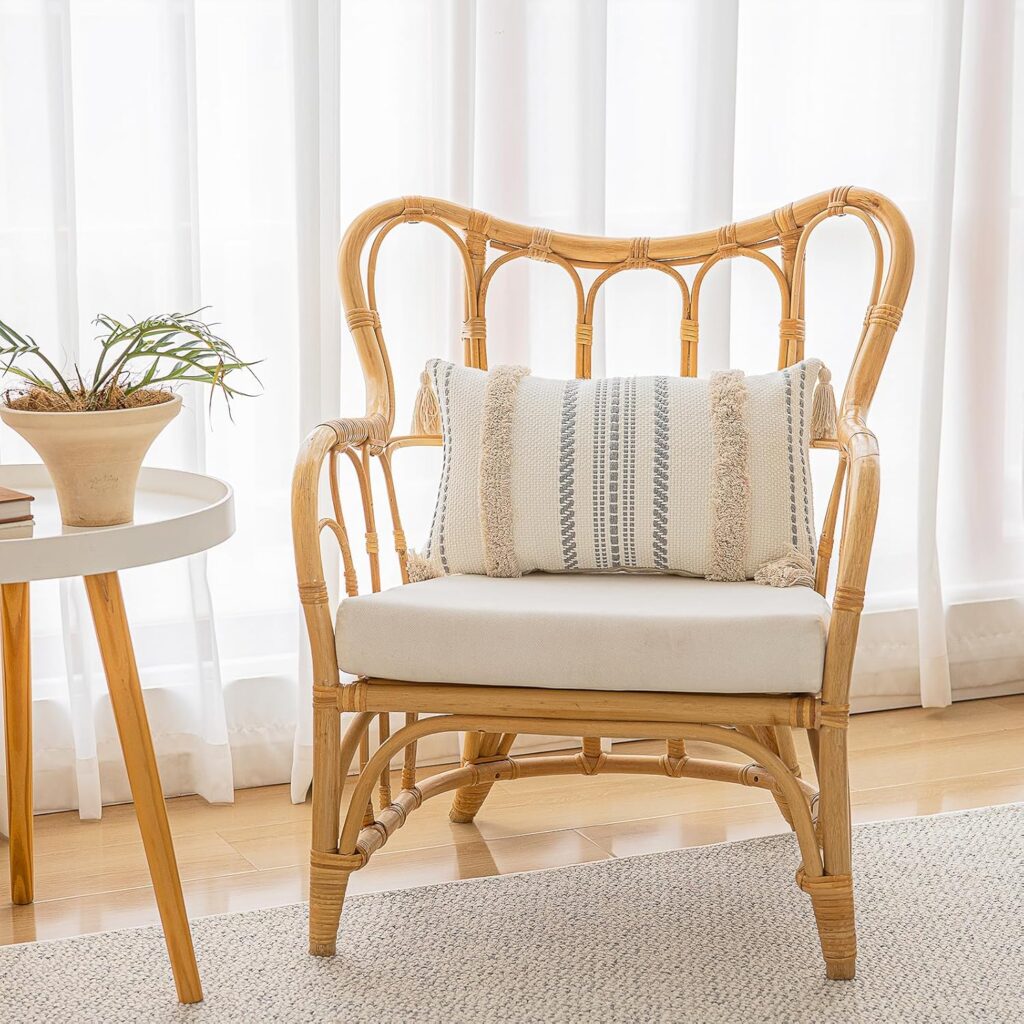
Textures are about surface quality, how something looks and feels. Textures can be:
- Tactile: velvet, boucle, leather, wool
- Visual: marble veining, wood grain, brushed metal
Designers use both simultaneously. A room full of patterns without texture feels busy. A room full of texture without pattern can feel dull. The magic happens when you balance the two.
Buy Me!
Buy Me too!
Start With a Cohesive Color Palette
Here is a designer secret: color does most of the heavy lifting.
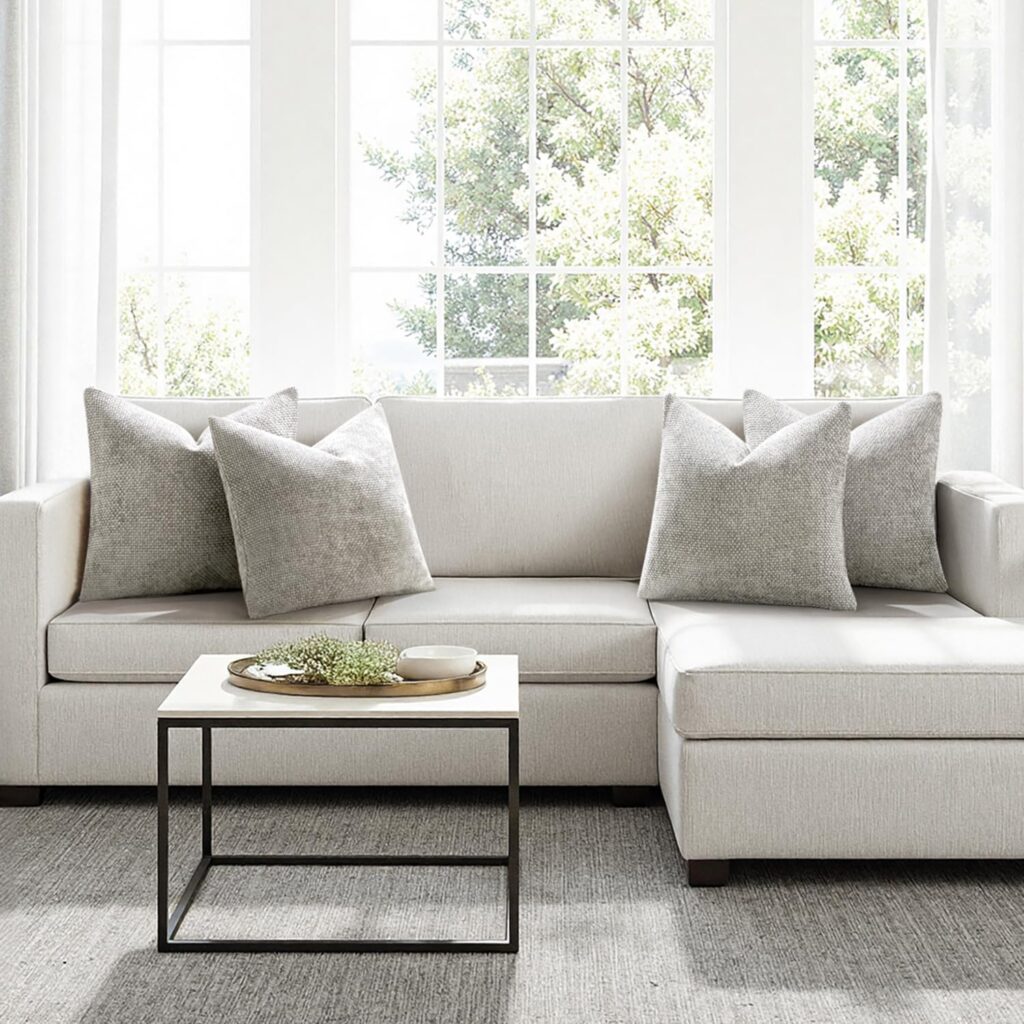
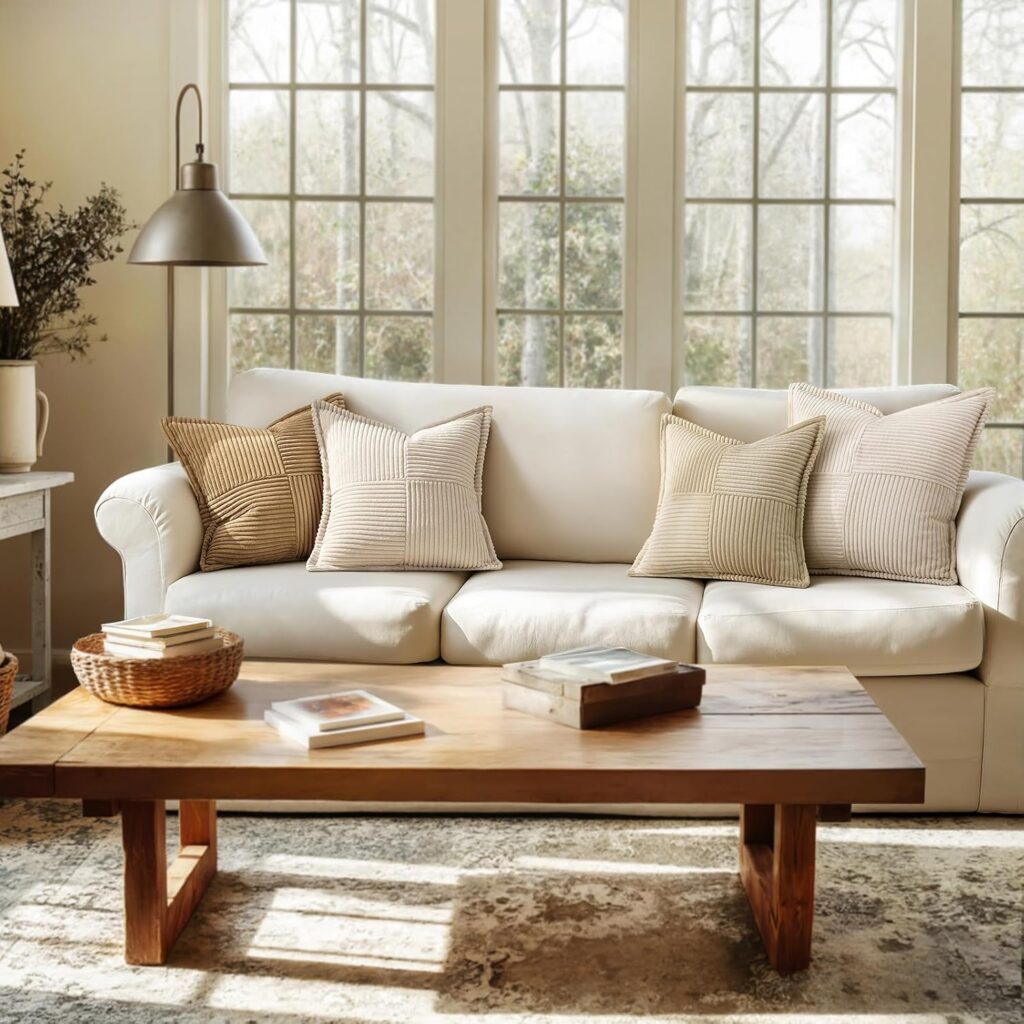
When patterns and textures share a cohesive color palette, they automatically feel more intentional, even if the designs are very different.
Start by choosing:
- 1–2 dominant colors
- 1–2 supporting or accent colors
- A neutral base (white, beige, gray, or soft taupe)
This gives you freedom to mix prints and materials without visual chaos. When in doubt, pull colors directly from one key piece, like a rug or artwork, and repeat them throughout the space.
Buy Me!
Buy Me Instead!
Follow the Rule of Scale When Mixing Patterns
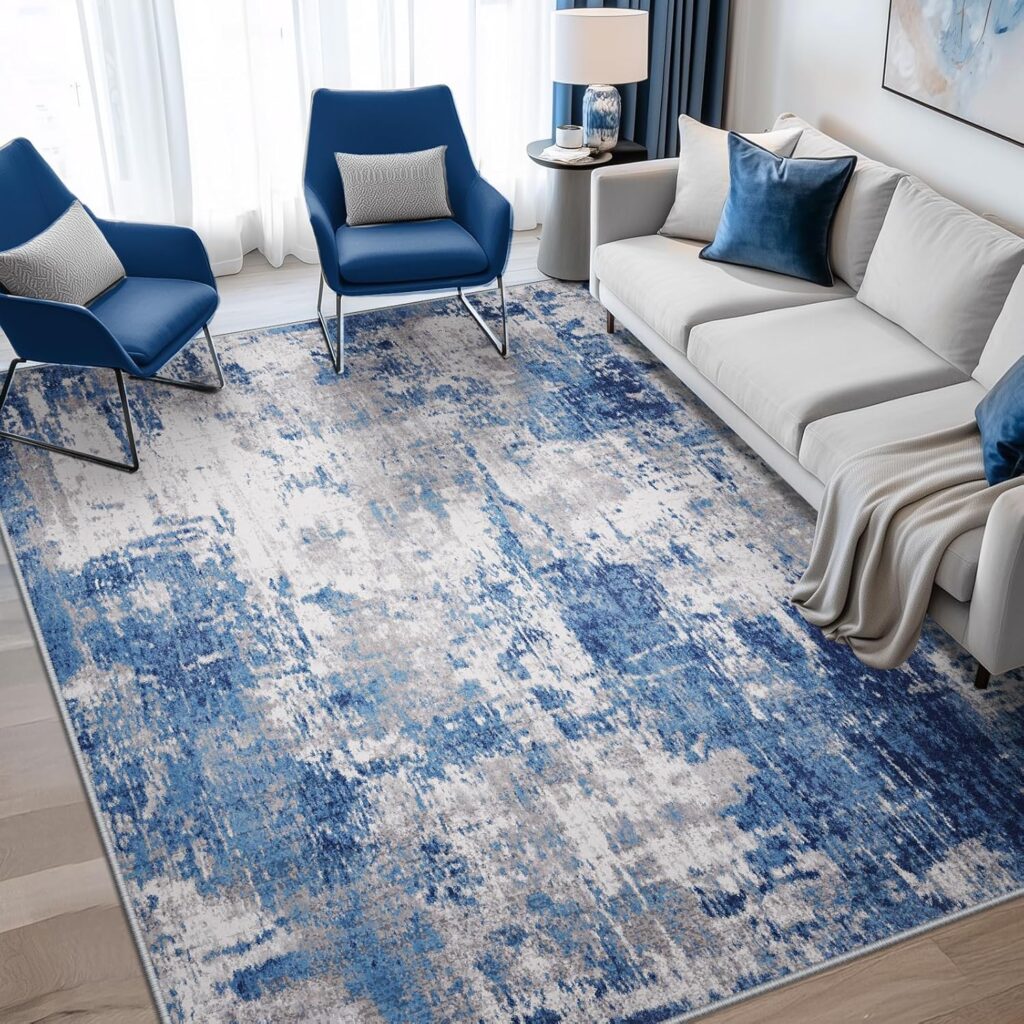
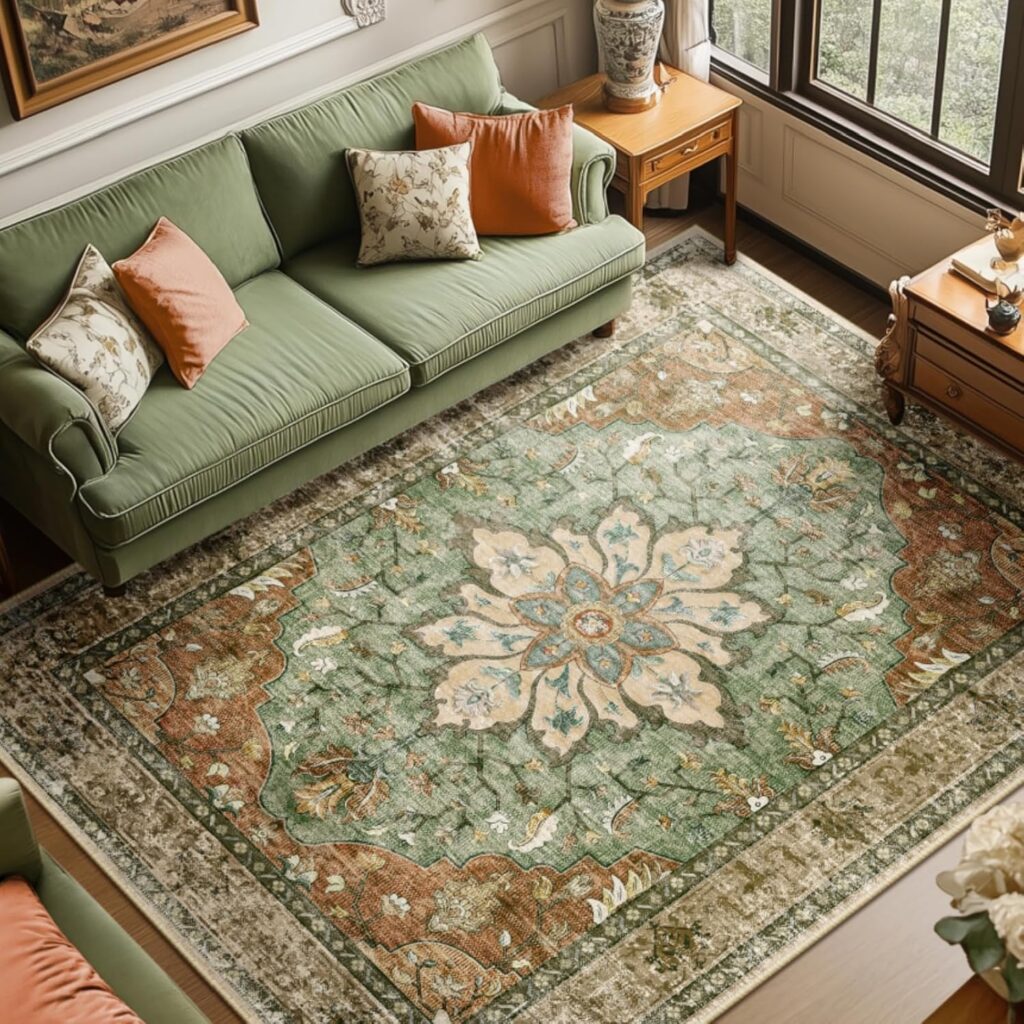
One of the biggest mistakes homeowners make is using patterns that are all the same size.
Designers rely on scale variation:
- Large-scale patterns anchor the room (area rugs, statement wallpaper)
- Medium-scale patterns support the design (curtains, accent chairs)
- Small-scale patterns add detail (throw pillows, accessories)
This hierarchy keeps the eye moving and prevents the space from feeling cluttered or overwhelming.
Buy Me!
Buy Me Now!
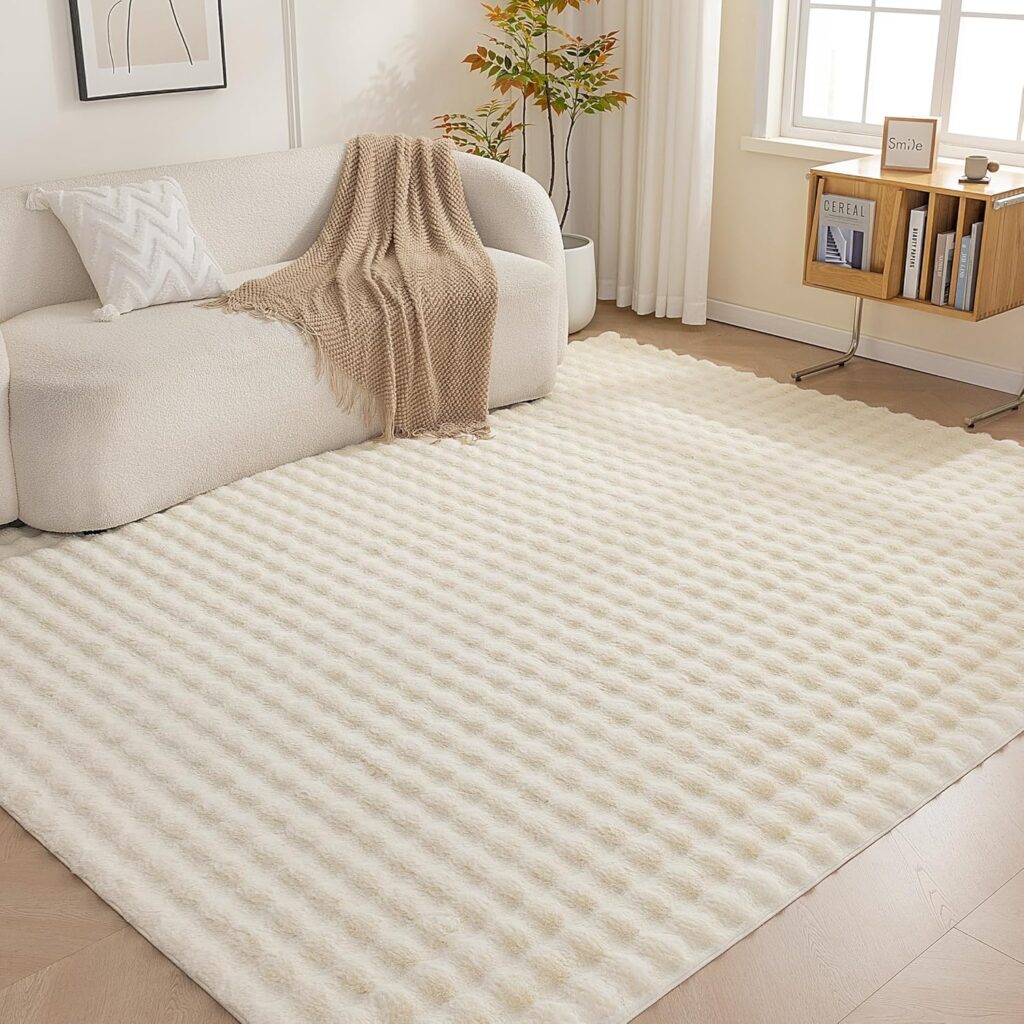
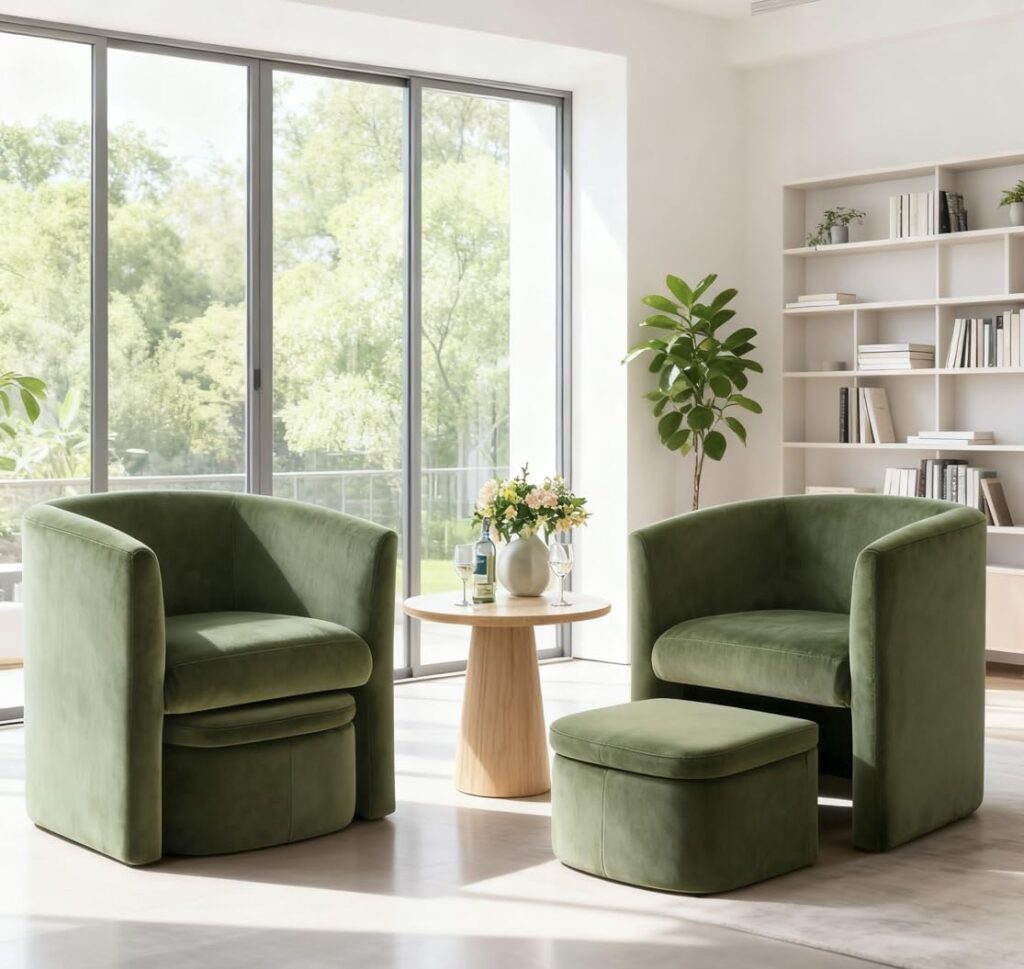
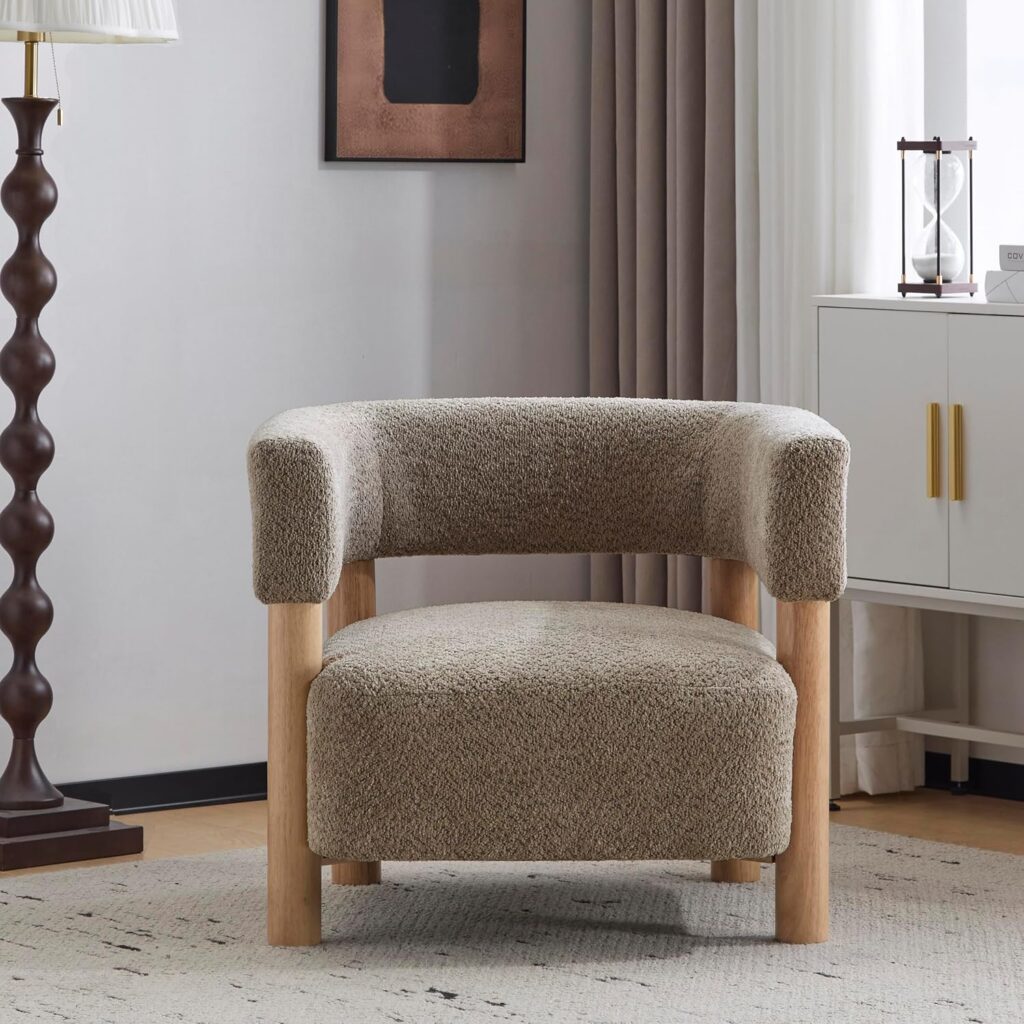
Balance Bold Patterns With Subtle Textures
Not everything should fight for attention when you try to mix patterns and textures.
If you are using a bold patterned rug or dramatic wallpaper, balance it with quieter textures such as linen drapes, solid upholstery, and matte finishes. Textured solids act as visual breathing room and allow statement pieces to shine.
Designers often think in terms of contrast, not competition. One hero piece per zone is usually enough.
Buy Me Now!
Buy Me Instead!
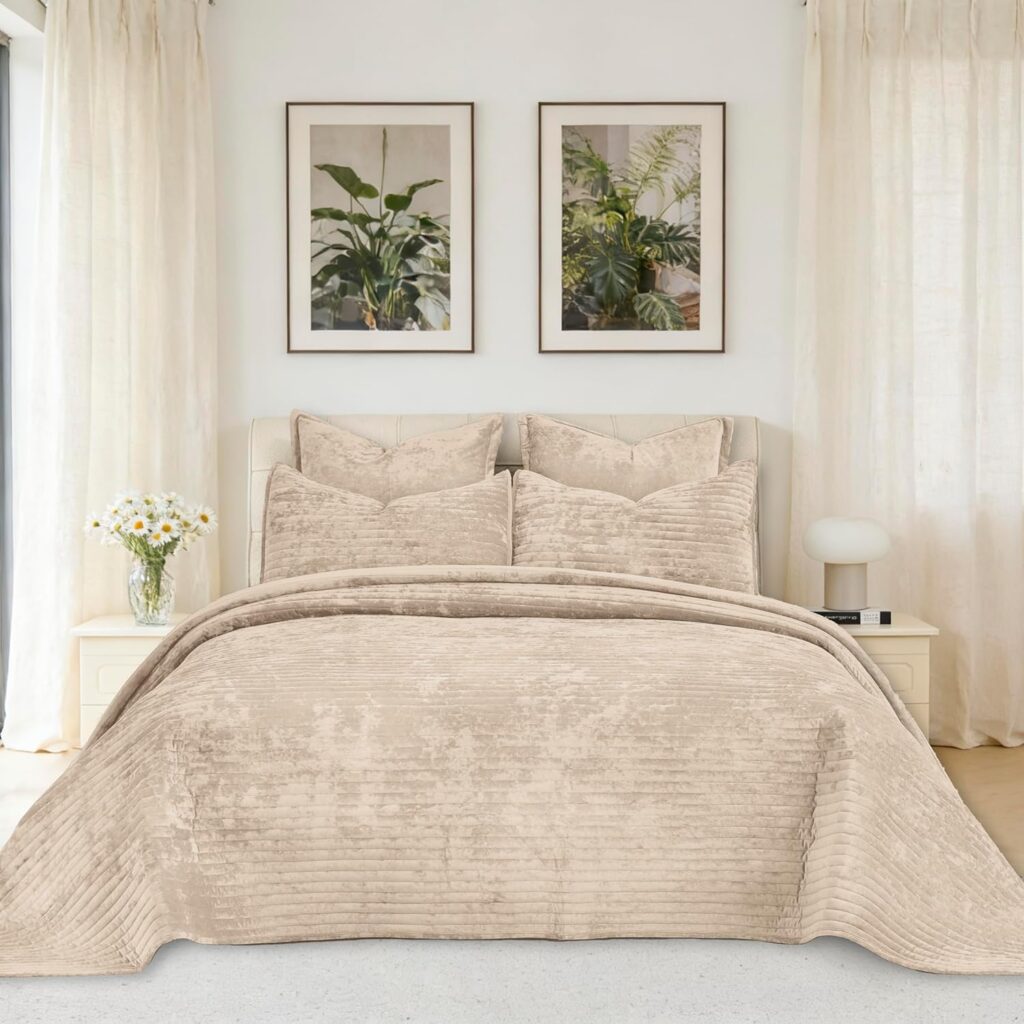
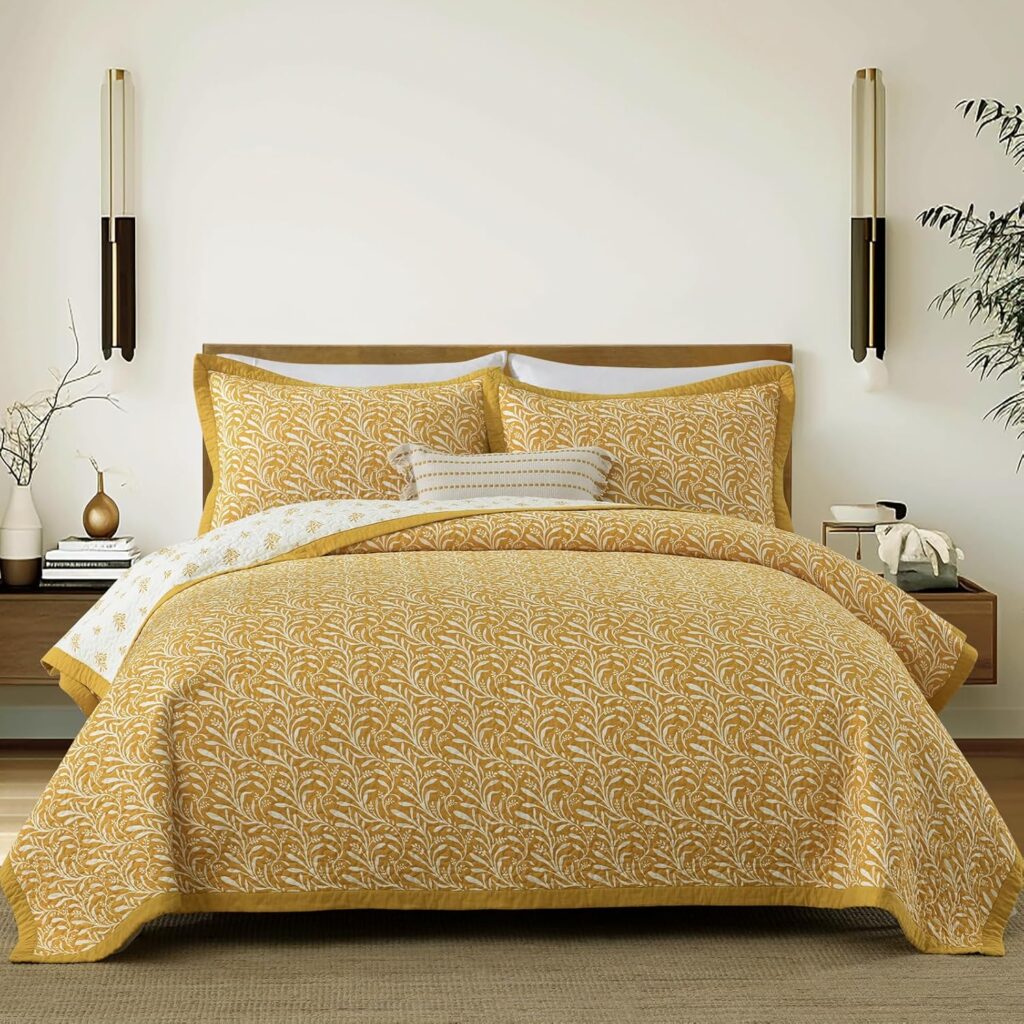
Mix Different Pattern Types for Visual Interest
Another common mistake when trying to mix patterns and textures? Mixing patterns that are too similar.
Designers intentionally contrast pattern styles:
- Geometric + organic
- Structured stripes + loose florals
- Clean lines + abstract motifs
This contrast keeps the space dynamic. When everything follows the same pattern style, the room can feel repetitive instead of layered.
Buy Me!
Buy Me Instead!
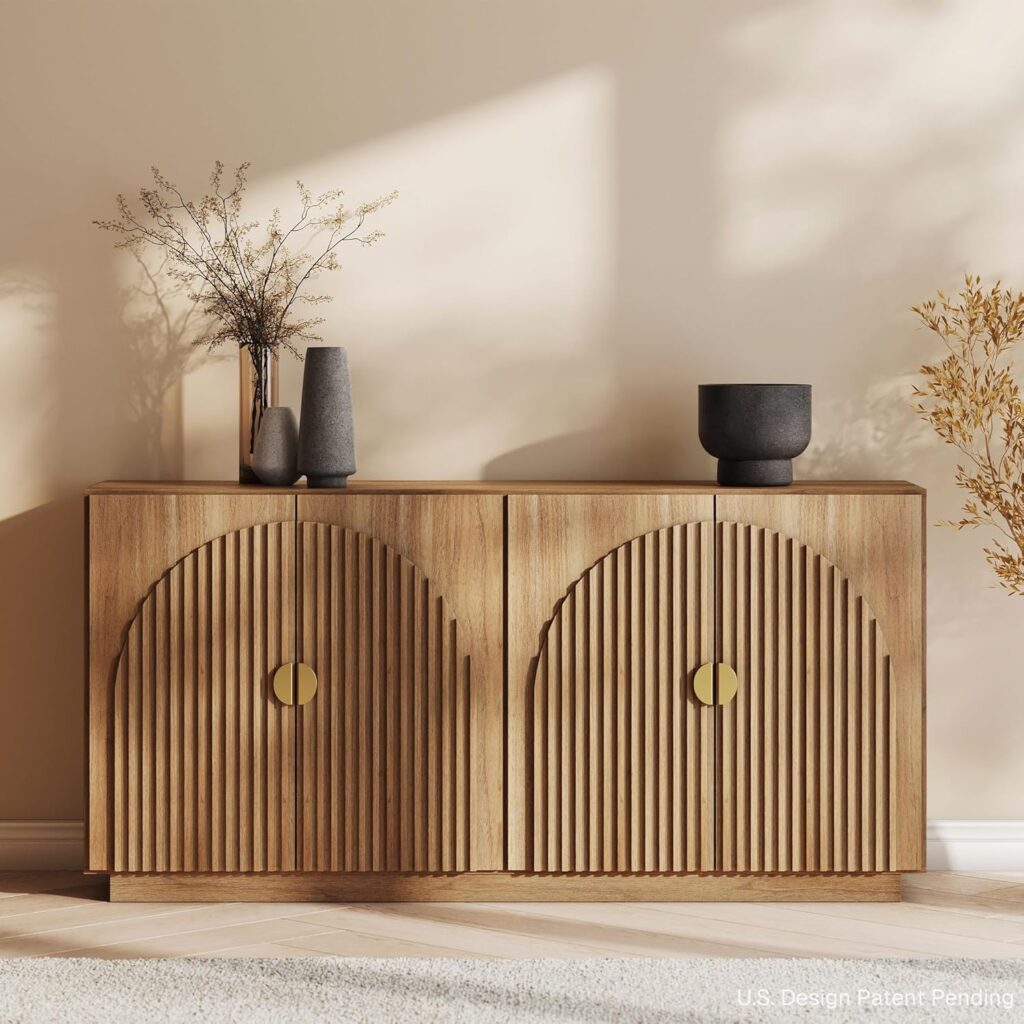
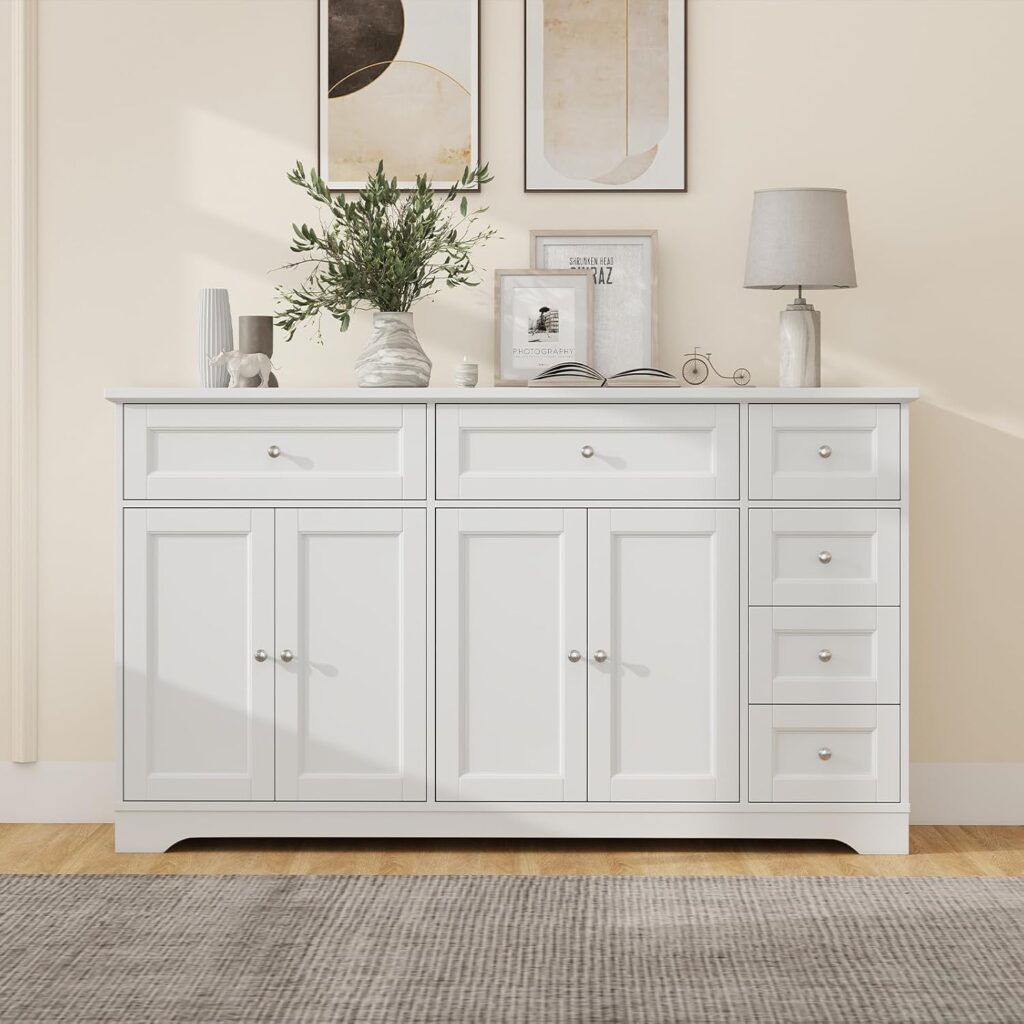
Use Texture to Add Warmth and Depth
Texture is especially important in modern and minimalist interiors.
Sleek spaces can feel cold without it. Designers soften them using:
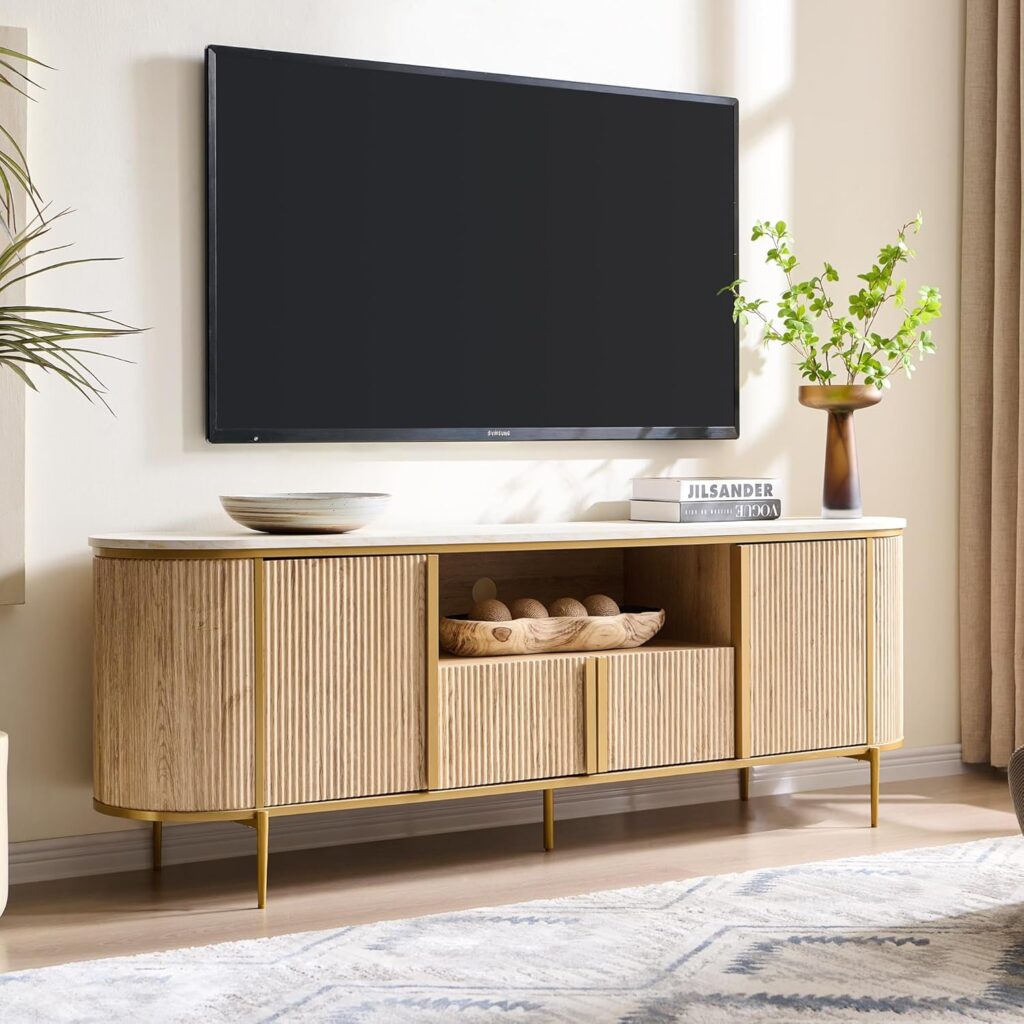
- Natural wood tones
- Stone or travertine finishes
- Boucle, wool, and linen fabrics
- Leather, rattan, and woven elements
Layering textures, smooth with rough and soft with hard, adds richness without adding clutter.
Buy Me Now!
Buy Me Instead!
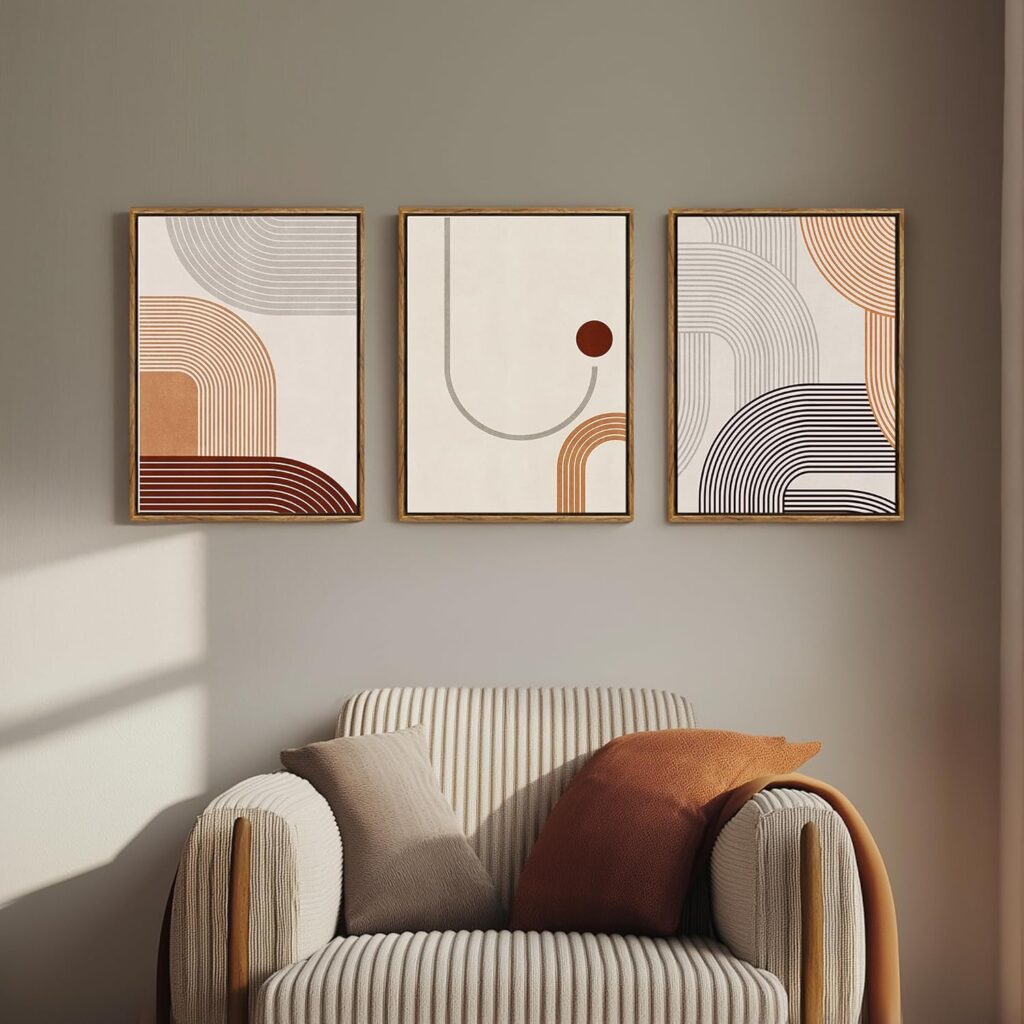
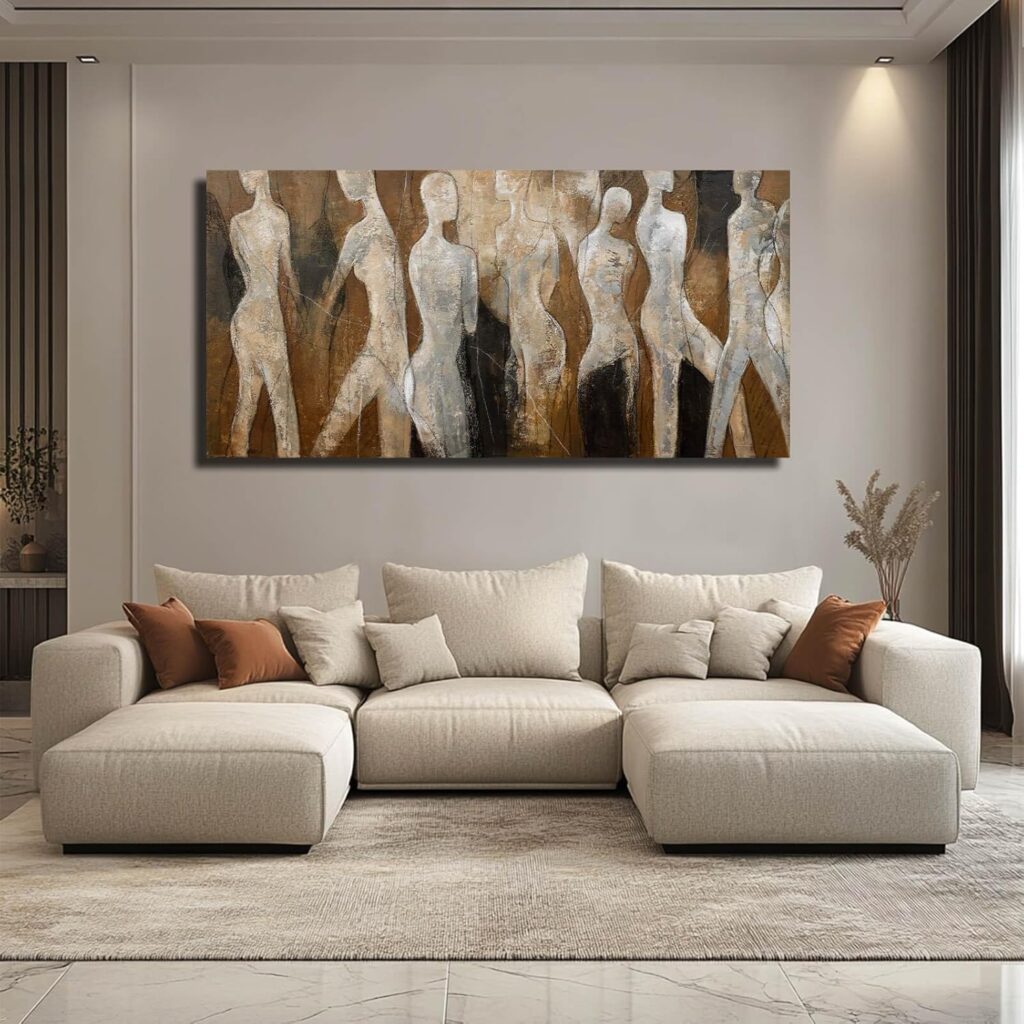
Repeat Elements to Create Flow
Repetition is what makes mixed patterns feel intentional rather than random.
Designers repeat:
- Colors across different patterns
- Similar textures in multiple areas
- Shapes or finishes throughout a room
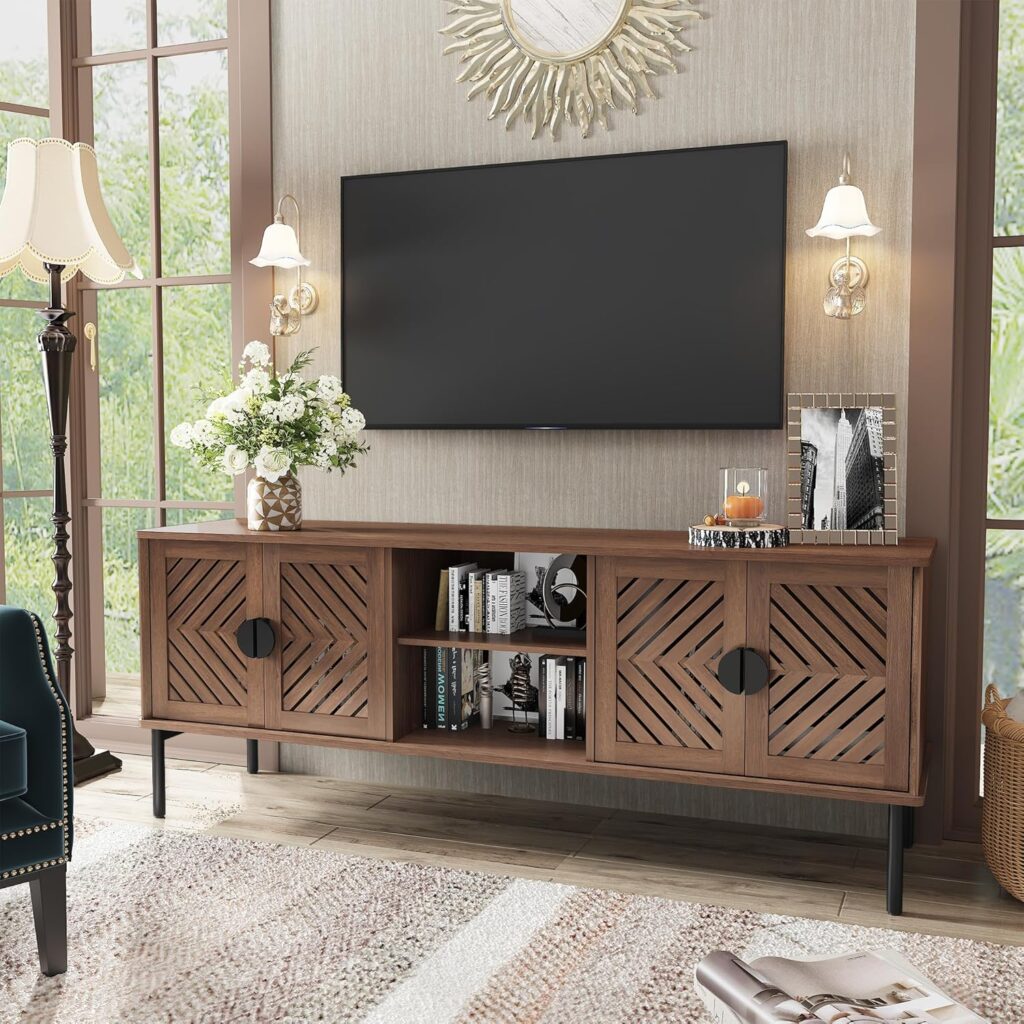
For example, a black accent in a rug might reappear in picture frames or lighting. This subtle repetition ties everything together visually.
Buy Me Now!
Buy Me Instead!
Room-by-Room Guide to Mixing Patterns and Textures
Living Room
- Layer rugs, pillows, upholstery, and accent chairs
- Mix smooth furniture with textured textiles
- Keep one dominant pattern as the focal point
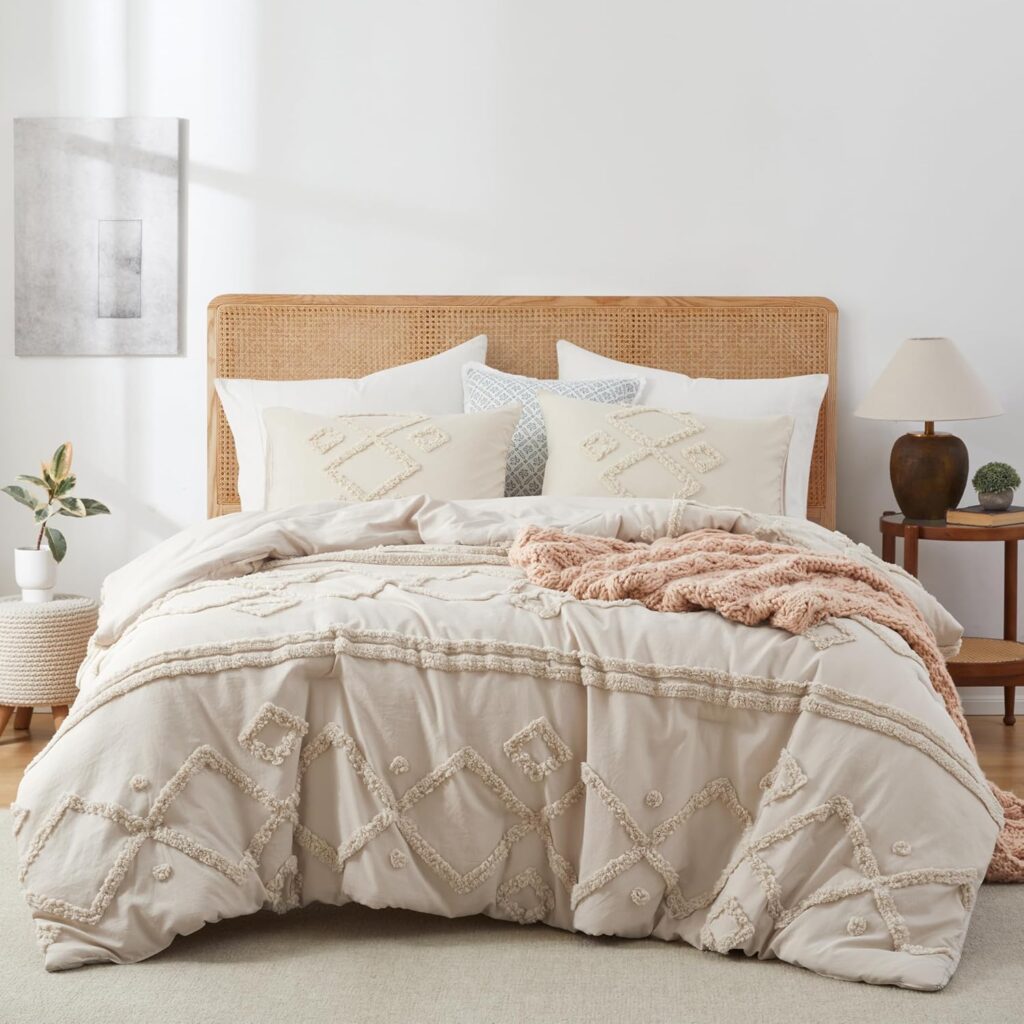
Bedroom
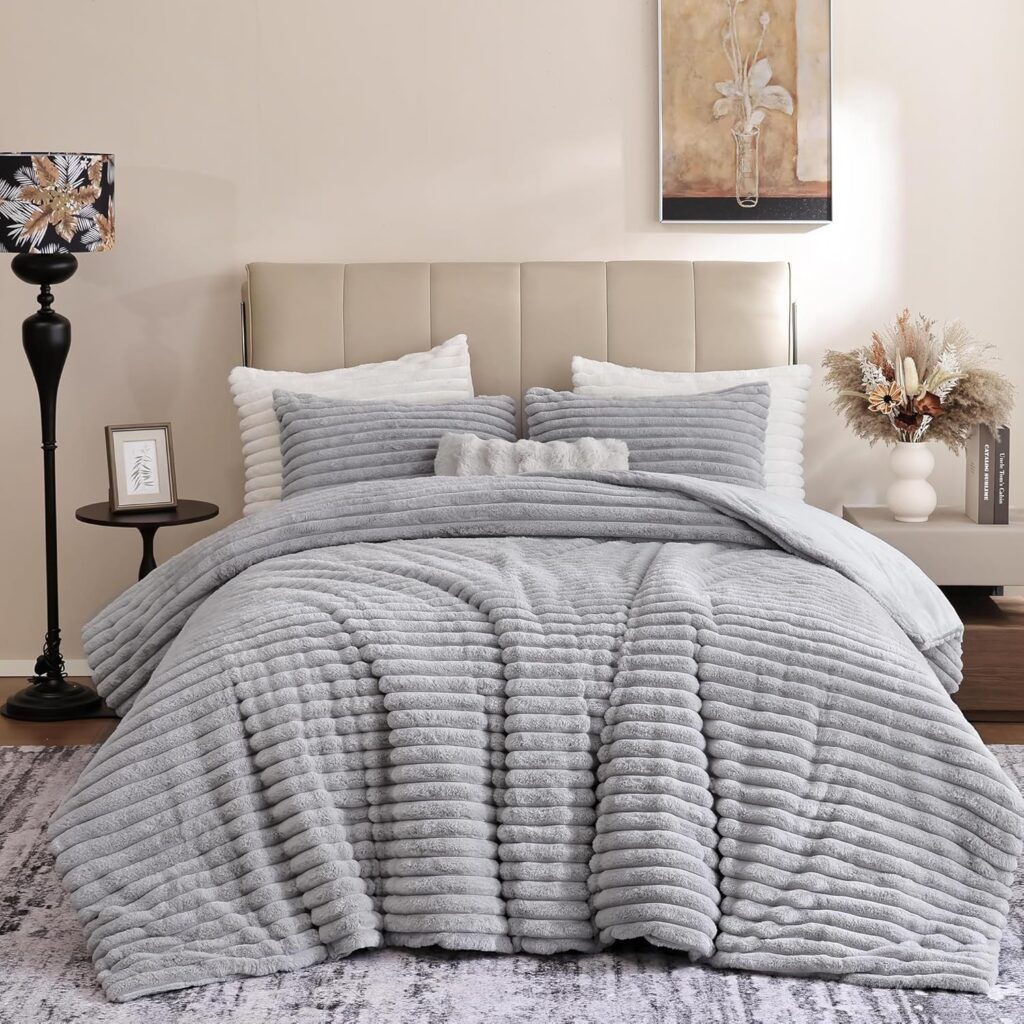
- Combine patterned bedding with textured headboards
- Use solid drapes with tactile fabrics
- Layer throws and cushions for depth
Dining Room
- Mix wood, metal, and fabric textures
- Keep patterns subtle if furniture is bold
- Use lighting and accessories to add texture
Kitchen & Bathroom
- Combine tile patterns with matte finishes
- Balance veined stone with solid cabinetry
- Use hardware and textiles to introduce texture
Buy Me!
Buy Me Instead!
Common Mistakes When Trying to Mix Patterns and Textures
Even designers avoid these pitfalls:
- Overusing bold patterns in small spaces
- Ignoring scale and proportion
- Mixing too many unrelated colors
- Filling every surface without negative space
Remember, rest is just as important as contrast.
Buy Me!
Buy Me Instead!
Mix Patterns and Textures With Confidence
Mixing patterns and textures like a designer isn’t about following rigid rules. It is about understanding balance, contrast, and intention.
Start small. Layer gradually. Trust repetition. When done right, patterns add personality and textures bring warmth. This, in turn, transforms your home into a space that feels curated, stylish, and uniquely yours.
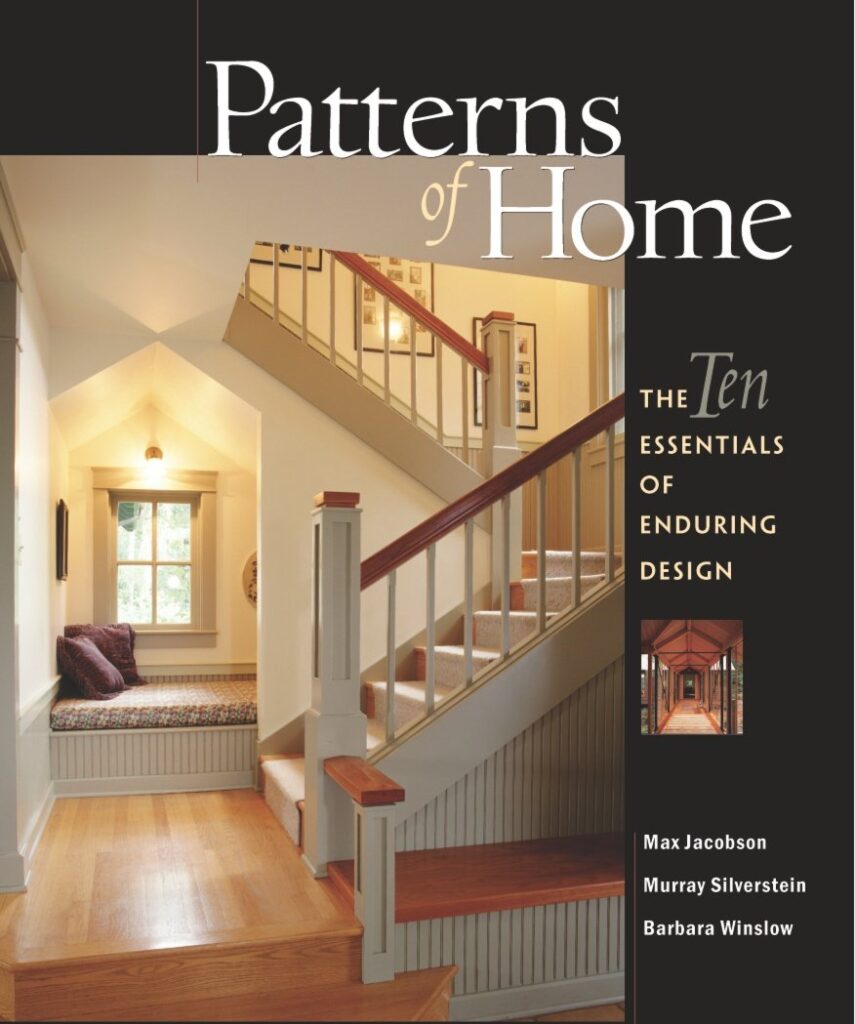
If you are ready to elevate your interiors even further, explore our blog post, Interior Design Mistakes Homeowners Make (How to Avoid Them).
Buy Me!
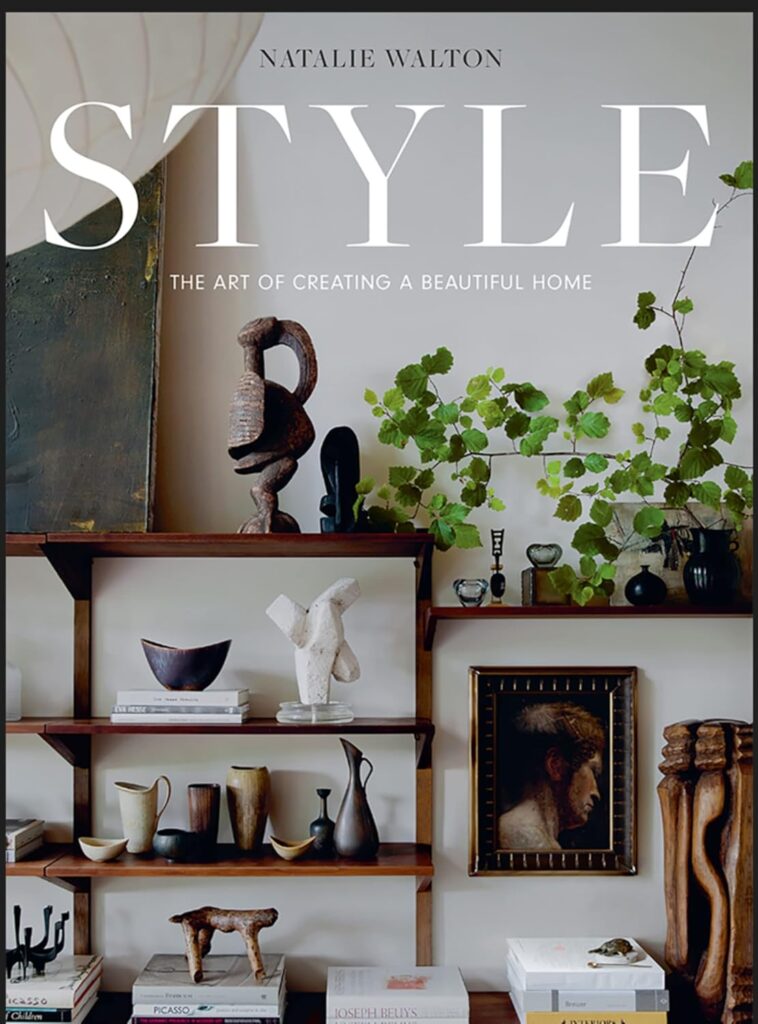
Buy Me Too!
